
.jpeg)
Instructions for handling adverse reactions of mirikizumab
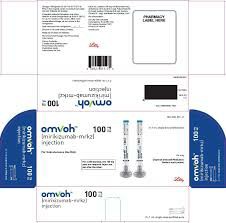
Milikizumab (Mirikizumab) is an immunosuppressant mainly used to treat immune-mediated diseases such as ulcerative colitis (UC). Although militizumab reduces inflammation and relieves symptoms by inhibiting IL-23 activity, like other immunosuppressive drugs, it may also cause certain adverse reactions. Therefore, when using militizumab, patients must strictly follow medical instructions and pay attention to possible side effects.
1. Infection response
Because militizumab suppresses the activity of the immune system, it may make patients more susceptible to infections. Common infections include respiratory infections, urinary tract infections, etc. Patients should have regular blood tests during treatment, especially white blood cell count and other immune-related indicators. If you have persistent fever, cough, painful urination and other infection symptoms, you should seek medical advice as soon as possible. The doctor may adjust the medication or give antibiotics and other medical treatments based on the patient's type of infection.
2. Allergic reaction
When using militizumab, a small number of patients may experience allergic reactions, including rash, itching, shortness of breath and other symptoms. Severe allergic reactions may manifest as anaphylactic shock. Patients should be monitored by professionals while receiving militizumab injections, especially during first use. If an allergic reaction occurs, the patient should immediately stop using the drug and receive appropriate emergency treatment, such as epinephrine injection, antihistamines, etc.
3. Abnormal liver function
Milizumab may cause mild or moderate abnormalities in liver function. During the treatment process, patients need to regularly check liver function indicators, such as liver enzyme (ALT, AST) levels, to ensure liver health. If abnormal liver function is found, the doctor may suspend drug treatment and make appropriate adjustments or change the treatment plan according to the specific situation.
4. Injection site reactions
Militizumab is administered by injection, and some patients may experience reactions such as redness, swelling, pain, or induration at the injection site. Usually, these reactions are temporary and patients can find relief with cold compresses or topical analgesics. If injection site reactions persist or worsen, patients are advised to consult their physician, who may need to adjust the dosage or treatment methods.
Keyword tags: Militizumab, adverse reactions, ulcerative colitis, allergic reaction, infection, liver function, injection site reaction
Reference materials:https://www.ema.europa.eu/en/medicines/human/EPAR/omvoh
[ 免责声明 ] 本页面内容来自公开渠道(如FDA官网、Drugs官网、原研药厂官网等),仅供持有医疗专业资质的人员用于医学药学研究参考,不构成任何治疗建议或药品推荐。所涉药品可能未在中国大陆获批上市,不适用于中国境内销售和使用。如需治疗,请咨询正规医疗机构。本站不提供药品销售或代购服务。


