
.jpeg)
Pomalidomide plus taskatumumab maintains deep, durable responses in R/R multiple myeloma
The addition of talquetamab to pomalidomide-Pomalyst in patients with relapsed/refractory multiple myeloma (MM), according to new results from the Phase 1b MonumenTAL-2 study (NCT05050097) presented during the 2025 ASH Annual Meeting. tgvs) - Talvey continues to demonstrate deep, durable responses and a clinically manageable safety profile. The data showed an objective response rate (ORR) of 85.7% (95% CI, 69.7%-95.2%), which included a very good partial response rate (VGPR) or better of 80.0% and a complete response rate (CR) of 45.7% or better. The incidence rates of PR, VGPR, CR and strict CR were 5.7%, 34.3%, 11.4% and 34.3% respectively. All patients who had previously received CAR T-cell therapy (n=3/3) and pomalidomide (n=8/8) achieved a response.
The median duration of response (DOR) with taquitumab/pomalidomide was not estimable (NE; 95% CI, 12.5-NE), with a 12-month DOR rate of 71.1% (95% CI, 50.3%-84.4%). In addition, the median progression-free survival (PFS) was 25.8 months (95% CI, 12.9-NE), and the proportion of PFS at 36 months was 44.8% (95% CI, 26.5%-61.4%). Other data showed that B cells persisted during the first few cycles of treatment. These reports are comparable to previous findings and support a B-cell sparing mechanism for taquitumab.
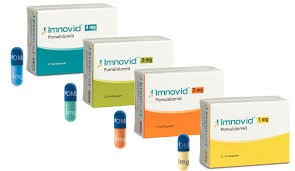
Tacistumumab [plus] pomalidomide continues to induce deep and durable responses in patients with relapsed/refractory multiple myeloma with extended follow-up, consistent with previously reported analyses. The combination [taskulumab/pomalidomide] demonstrated a clinically manageable safety profile consistent with the individual drugs, with no new safety signals identified over longer follow-up. These findings continue to supportThe landmark Phase 3-6 study [NCT06208150], which compared [taskumab plus pomalidomide] with the investigator’s choice of elotuzumab plus [pomalidomide]. Efficacy of pomalidomide and dexamethasone or pomalidomide plus bortezomib and dexamethasone in patients with relapsed/refractory multiple myeloma who had 1 to 4 prior treatment regimens.
What is the design of MonumenTAL-2?
In the Phase 1b MonumenTAL-2 study, patients were assigned to receive 0.4 mg/kg weekly (n=16) or 0.8 mg/kg subcutaneously every 2 weeks (n=19) Taquitumumab plus pomalidomide. Pomalidomide treatment begins in Cycle 2 on days 1 to 28 of each cycle at 2.0 mg orally per day, with dose escalation allowed to 4.0 mg per day. The primary endpoint of the trial is safety. Key secondary endpoints include ORR, time to response, DOR and PFS.
Patients with measurable multiple myeloma, at least2 prior treatment regimens, including a proteasome inhibitor and lenalidomide, and an ECOG performance of 0 or 1 were eligible for the trial. Patients with prior bispecific antibodies, CAR T cell therapy, and pomalidomide were eligible for study entry; patients with prior GPRC5D-guided therapy were ineligible.
The median age of patients was 65 years, and the median number of prior lines of therapy was 3. Additionally, 45.0% of the cohort had high-risk cytogenetics and 20.0% had extramedullary disease. The patient had previously been exposed to drugs such as pomalidomide, BCMA-guided CAR T cell therapy and bispecific antibodies.
What other safety and efficacy data are provided?
The most common hematologic adverse reactions (AEs) of any grade and grade 3/4 included neutropenia, anemia, and thrombocytopenia, respectively. The most common non-hematologic AEs of any grade and grade 3 or higher included infection or infection, cytokine release syndrome, skin-related toxicities, nail-related events, and dry mouth.
25.7% and 48.6% of patients had dose reductions of tasitumumab and pomalidomide due to adverse events. Additionally, 65.7% and 80.0% required dose omissions due to toxicity, and 77.1% and 22.9% required dose delays due to AEs. The investigators noted that no study treatments had been discontinued due to AEs since the initial report of 8.6%, suggesting no cumulative toxicity.
In the multicenter phase 3 MonumenTAL-6 trial, an estimated 795 patients will be assigned to receive taskatumumab plus pomalidomide, taskatumumab plus teritumab (teclistamab cqyv) or evolizumab plus pomalidomide/dexamethasone or bortezomib/dexamethasone. The primary endpoint of the trial is PFS. Secondary endpoints include ORR, CR or better rate, overall survival, time to next treatment, health-related quality of life and safety.
References: Updated onDecember 14, 2025, https://www.onclive.com/view/talquetamab-plus-pomalidomide-maintains-deep-durable-responses-in-r-r-multiple-myeloma
[ 免责声明 ] 本页面内容来自公开渠道(如FDA官网、Drugs官网、原研药厂官网等),仅供持有医疗专业资质的人员用于医学药学研究参考,不构成任何治疗建议或药品推荐。所涉药品可能未在中国大陆获批上市,不适用于中国境内销售和使用。如需治疗,请咨询正规医疗机构。本站不提供药品销售或代购服务。


