
.jpeg)
How long does it take for Lapatinib/Talisat to be effective and what is the course of treatment?
Lapatinib (Lapatinib) is a targeted therapy drug mainly used to treat HER2-positive breast cancer , especially in patients with metastatic breast cancer who have developed resistance after treatment with trastuzumab (Herceptin). It blocks the growth signals of tumor cells by inhibiting the kinase activity of the HER2 (ErbB-2) receptor, thereby effectively slowing or stopping the spread of cancer cells.
The effects of lapatinib usually appear gradually within 2-4 weeks of use. This is because the drug needs to accumulate in the body and begin to inhibit the activity of the HER2 receptor. After using lapatinib, patients usually see initial changes in the treatment effect in about a month, including tumor shrinkage and pain relief at the lesion site. However, some patients may take longer to show obvious effects, which is related to the patient's specific physical condition, the stage of the disease, and whether it is combined with other drugs and other factors.
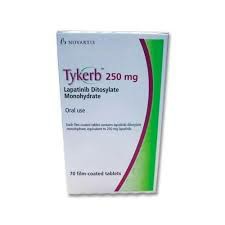
Doctors usually perform the first imaging examination (such as CT or MRI) 6-8 weeks after patients take lapatinib to evaluate the response to treatment. The results of this assessment can help determine whether to continue using the drug or to adjust the treatment regimen. During this period, patients may experience some common side effects, such as diarrhea, rash, etc., which are controllable in most cases.
Lapatinib treatment is usually long-term, and decisions about whether to continue need to be made based on the patient's disease progression. For most patients with advanced or metastatic breast cancer, treatment options include lapatinib in combination with capecitabine. This combination treatment regimen is generally divided into 3-week cycles, in which patients take lapatinib once daily and receive corresponding doses during the capecitabine cycle.
After the initial effect, the patient enters the maintenance treatment phase, and the duration of treatment depends on the patient's condition. If a patient's tumor shrinks further or stabilizes, treatment may continue for several months or even more than a year. During maintenance treatment, patients need to regularly monitor liver function, heart function, blood routine and other indicators in order to adjust the treatment plan in a timely manner.
Keyword tags: lapatinib, efficacy time, treatment cycle, HER2-positive breast cancer, capecitabine, maintenance treatment, side effect management
Reference materials:https://www.drugs.com/mtm/lapatinib.html
[ 免责声明 ] 本页面内容来自公开渠道(如FDA官网、Drugs官网、原研药厂官网等),仅供持有医疗专业资质的人员用于医学药学研究参考,不构成任何治疗建议或药品推荐。所涉药品可能未在中国大陆获批上市,不适用于中国境内销售和使用。如需治疗,请咨询正规医疗机构。本站不提供药品销售或代购服务。


