
.jpeg)
Differences, indications and medication comparison between Guanfacine and Clonidine
Guanfacine and clonidine are both central α2 receptor agonists, but they have certain differences in pharmacological properties, indications and clinical applications. Both of them mainly activate central α2 adrenergic receptors and inhibit sympathetic nerve activity, thereby lowering blood pressure and alleviating excessive heart rate. At the same time, they have a certain regulatory effect on attention and impulse control in the nervous system. However, guanfacine is more selective and acts mainly on α2A subtype receptors, while clonidine is less selective for α2 receptors and targets α< The /span>2B and α2C subtypes also have a certain activation effect, so they may be more significant in reducing blood pressure and sedating, but the risk of side effects is also relatively high.
In terms of indications, guanfacine is mainly used to treat attention deficit hyperactivity disorder (ADHD) in children and adolescents, and is especially suitable for patients with impulsivity, emotional instability or sleep disorders. Guanfacine improves attention, impulse control and behavioral management by regulating neurotransmitter activity in the prefrontal cortex, while having little effect on heart rate and blood pressure, making it suitable for long-term use. In contrast, clonidine is used clinically for the treatment of hypertension and as an auxiliary treatment for ADHD, especially in patients with severe anxiety, difficulty falling asleep, or sleep disorders. Clonidine has a strong sedative effect and may cause daytime drowsiness or low blood pressure, so the dose and administration time need to be strictly managed.
In terms of medication method and dosage selection, guanfacine is usually taken orally in the form of sustained-release tablets and administered once a day. The morning and evening dosage times can be adjusted according to the patient's symptoms and work and rest schedule. Clinically, it is recommended to start with a low dose and gradually adjust to the optimal maintenance dose to maximize the efficacy and reduce adverse reactions such as hypotension, dizziness or drowsiness. Clonidine is available in more flexible dosage forms, including oral tablets and orally disintegrating tablets, which can be adjusted based on blood pressure control needs and symptom presentation. Doses should be started low and blood pressure and heart rate should be monitored closely to prevent excessive sedation or a drop in blood pressure.
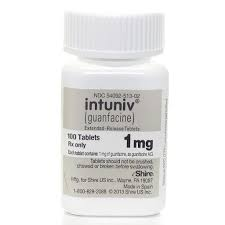
In terms of efficacy comparison, guanfacine is outstanding in improvingADHD core symptoms, such as inattention, impulsive behavior and emotional regulation. It is especially suitable for children and adolescents who have poor response to stimulant drugs or who are at risk of cardiovascular disease. Although clonidine can also improve attention and impulsive behavior, it has a stronger sedative effect and is suitable for patients with sleep disorders or high anxiety. Studies have shown that the long-acting sustained-release formulation of guanfacine is more advantageous in maintaining efficacy and compliance, while clonidine requires adjustment of dose and medication time according to symptom fluctuations.
In terms of safety, adverse reactions of guanfacine are usually mild to moderate, including drowsiness, headache, fatigue, or mild decrease in blood pressure. Long-term use requires monitoring of blood pressure, heart rate and nervous system performance, but the overall tolerance is good. Clonidine may cause more significant adverse reactions such as sedation, hypotension, dizziness, and dry mouth. Caution must be exercised, especially when used at high doses or in combination with other antihypertensive drugs. Both need to avoid sudden discontinuation of medication to prevent blood pressure fluctuations or sympathetic overactivity that can cause increased heart rate and anxiety.
In terms of clinical application strategies, both guanfacine and clonidine emphasize individualized medication. Doctors usually choose drugs and dosages based on the patient's age, severity of illness, accompanying symptoms, and past medication history. For ADHD patients, guanfacine can be used alone or in combination with other behavioral interventions and psychotherapy, while clonidine is more suitable for individuals with sleep disorders or anxiety symptoms. Combined use or alternating medication regimens must be conducted under the guidance of a professional physician to ensure a balance between efficacy and safety.
In summary, guanfacine (Guanfacine) and clonidine (Clonidine) are both central α2 receptor agonists in terms of pharmacological effects, but there are obvious differences in selectivity, indications, medication regimens and adverse reactions. Guanfacine is more suitable for long-term management of core symptoms of ADHD, with mild side effects and high compliance; clonidine is more effective in controlling hypertension and improving sleep disorders, but has a strong sedative effect and requires strict monitoring. In clinical application, the two should be selected based on the patient's individual characteristics, symptom combinations and safety needs to achieve accurate, effective and safe treatment effects.
Keyword tags: guanfacine, clonidine, ADHD, hypertension, central nervous systemα2Receptor agonist, medication selection
Reference materials:https://medlineplus.gov/druginfo/meds/a694009.html
[ 免责声明 ] 本页面内容来自公开渠道(如FDA官网、Drugs官网、原研药厂官网等),仅供持有医疗专业资质的人员用于医学药学研究参考,不构成任何治疗建议或药品推荐。所涉药品可能未在中国大陆获批上市,不适用于中国境内销售和使用。如需治疗,请咨询正规医疗机构。本站不提供药品销售或代购服务。


