
.jpeg)
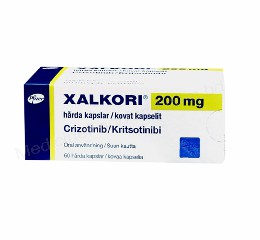
Analysis of treatment methods and protocols after emergence of resistance to crizotinib (Xalkori)
Crizotinib is a small molecule inhibitor targeting ALK and ROS1 gene rearrangement-positive non-small cell lung cancer (NSCLC). Since its launch, crizotinib has achieved significant therapeutic effects in gene-positive patients, rapidly reducing tumor size, improving symptoms, and prolonging progression-free survival. However, during long-term use, drug resistance is almost inevitable and has become a key issue that needs to be solved in clinical management. There are various resistance mechanisms, including ALK secondary mutations, activation of alternative signaling pathways, increased drug efflux, etc. Therefore, treatment strategies need to comprehensively consider the type of resistance, patient condition, and previous treatment history.
The first approach after the emergence of drug resistance is to re-evaluate the patient's genetic status. Through repeated tissue biopsy or liquid biopsy testing, it is clear whether the tumor has ALK or ROS1 secondary mutations, and whether there are new driver gene changes. Different types of resistance mutations determine the next treatment options. For example, for G1202R, L1196M, etc.ALKPatients with drug-resistant mutations may be sensitive to second- or third-generation ALK inhibitors (such as aletinib, brigatinib, lorlatinib, etc.). The disease control time can be prolonged by changing targeted drugs. Liquid biopsy is also increasingly used in actual clinical practice, which can dynamically monitor drug-resistant mutations under non-invasive conditions and provide a basis for personalized medication.
For patients with no resistance mechanism that can target mutations, a comprehensive treatment strategy is usually used clinically. If the local progression of the tumor is obvious and can be controlled by surgery or radiotherapy, local treatment combined with continued systemic treatment with crizotinib is a common method. For patients with extensive metastasis or rapid progression, chemotherapy regimens, such as platinum-based doublet regimens or combined immunotherapy, may need to be adjusted to achieve overall disease control. Some studies also show that crizotinib combined with other targeted drugs or anti-angiogenic drugs has potential efficacy in drug-resistant patients, but it still needs to be used under strict clinical trials or under the guidance of doctors.
In addition, patient supportive care and lifestyle management are equally important during drug resistance. Drug-resistant patients often experience a decline in physical strength and immune status. Appropriate nutritional supplements, exercise intervention and psychological support can help improve physical tolerance and quality of life. At the same time, regular imaging follow-up should be carried out to detect new progressive lesions in a timely manner to avoid delaying the optimal treatment opportunity.
In actual clinical practice, attention must also be paid to drug tolerance and adverse reaction management. Replace the second or third generationALKInhibitors may cause different types of toxicity, such as cardiac and liver function abnormalities or gastrointestinal discomfort, and dose adjustment and follow-up are required under the guidance of a physician. For combination or chemotherapy regimens, individualized management is also required based on the patient's age, kidney and liver function, and past adverse reactions to ensure the safety of the treatment.
In general, the treatment of crizotinib resistance is a systematic and individualized process, which requires a comprehensive combination of genetic testing, targeted drug selection, local or systemic treatment strategies, and supportive management. Clinical emphasis is on dynamic assessment and multidisciplinary collaboration, and through scientific management, the progression-free survival and quality of life of patients can be prolonged as much as possible in the case of drug resistance. In the future, with the continuous development of new generations of ALK inhibitors and combination treatment options, treatment options for crizotinib-resistant patients will become more abundant and precise.
Keyword tags: crizotinib, resistance, genetic testing, second-generation inhibitors, combination therapy
Reference materials:https://pubmed.ncbi.nlm.nih.gov/25170012/[ 免责声明 ] 本页面内容来自公开渠道(如FDA官网、Drugs官网、原研药厂官网等),仅供持有医疗专业资质的人员用于医学药学研究参考,不构成任何治疗建议或药品推荐。所涉药品可能未在中国大陆获批上市,不适用于中国境内销售和使用。如需治疗,请咨询正规医疗机构。本站不提供药品销售或代购服务。


