
.jpeg)
Guanfacine extended-release tablets (Guanfacine) common side effects, safety monitoring and long-term medication risk analysis
Guanfacine extended-release tablets (Guanfacine) is a selective α2A adrenoceptor agonist. It is mainly used for the auxiliary treatment of attention deficit hyperactivity disorder (ADHD) and can also be used for the management of diseases such as hypertension. Its pharmacological effect improves attention, impulse control and executive function by regulating norepinephrine signals in the prefrontal cortex, thereby improving patients' daily behavioral performance. The sustained-release characteristics of guanfacine sustained-release tablets keep the blood concentration relatively stable and reduce fluctuations in drug efficacy. However, in clinical application, we still need to pay attention to side effects and long-term medication risks.
In terms of common side effects, guanfacine extended-release tablets mainly respond to the central and cardiovascular systems. When patients initially take the drug, common symptoms include mild dizziness, drowsiness, fatigue and dry mouth. Some patients may experience a drop in blood pressure or a slowdown in heart rate, especially during the initial period of medication or when the dose is rapidly adjusted. In addition, occasionally patients experience indigestion, nausea, or mild weight changes. Generally speaking, these adverse reactions are mostly mild to moderate and can be gradually improved by adjusting the dose, dividing the dose, or gradually tolerating it under the guidance of a doctor.
Safety monitoring is a key aspect of long-term medication use. Doctors usually advise patients to monitor blood pressure, heart rate and clinical symptoms during the initial treatment and dose adjustment period to ensure stable cardiovascular function. For children and adolescent patients, growth and development should also be paid attention to, and changes in weight and height should be assessed regularly. In addition, if patients are taking other central nervous system drugs concomitantly, they need to be alert that drug interactions may aggravate drowsiness, decrease in blood pressure, or nervous system reactions. During the treatment process, patients should return for regular follow-up visits and provide timely feedback on any discomfort so that the doctor can adjust the dose or optimize the treatment plan.
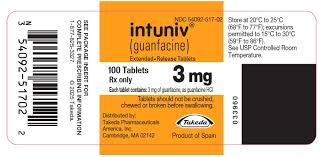
In terms of long-term medication risks, guanfacine extended-release tablets are generally well tolerated, but long-term use still requires attention to chronic hypotension, slowed heart rate, and possible accumulation of nervous system reactions. Some studies have shown that long-term use of α2A receptor agonists may have certain effects on cognitive function and mood. Therefore, patients should regularly assess their attention, emotional state, and behavioral performance during long-term treatment. For pediatric patients, behavioral intervention and educational management must be combined under the guidance of professional doctors to achieve the best therapeutic effect.
In clinical practice, the use of guanfacine extended-release tablets should follow the principle of individualization. The initial dose is usually lower than the target dose and gradually adjusted to the best effect. At the same time, try to avoid sudden discontinuation of medication to reduce blood pressure fluctuations or symptom rebound. Patients and parents should understand drug side effects, monitoring indicators and medication precautions, and maintain good communication with doctors to ensure a balance between drug safety and efficacy. Overall, guanfacine extended-release tablets are a safe and effective auxiliary medication option for ADHD and hypertension under standardized management, but attention should be paid to long-term monitoring and individualized management.
In addition to basic monitoring, lifestyle intervention is equally important to reduce long-term risk. Healthy diet, regular work and rest, moderate exercise and psychological support can help enhance the efficacy of drugs and reduce side effects. For patients with multiple chronic diseases or combined medications, a multidisciplinary evaluation should be conducted to ensure that guanfacine extended-release tablets exert maximum efficacy within a safe range.
In the future, with the accumulation of clinical experience and the release of more long-term research data, the safety management of guanfacine extended-release tablets will be more perfect. Doctors can optimize the medication plan based on the individual patient's condition, combined with efficacy assessment, blood pressure and heart rate monitoring, and behavioral observation, thereby maximizing the patient's quality of life and reducing long-term medication risks. For patients who require long-term maintenance treatment, standardized use of guanfacine extended-release tablets combined with comprehensive intervention measures is an important strategy to achieve both long-term efficacy and safety.
Keyword tags: Guanfacine, ADHD, α2AReceptor agonist, side effects, long-term medication, safety monitoring
Reference materials:https://en.wikipedia.org/wiki/Guanfacine
[ 免责声明 ] 本页面内容来自公开渠道(如FDA官网、Drugs官网、原研药厂官网等),仅供持有医疗专业资质的人员用于医学药学研究参考,不构成任何治疗建议或药品推荐。所涉药品可能未在中国大陆获批上市,不适用于中国境内销售和使用。如需治疗,请咨询正规医疗机构。本站不提供药品销售或代购服务。


