
.jpeg)
Efficacy and case studies of pitubrutinib/pitobrutinib (Zepali) in the treatment of lymphoma
Pitobrutinib/Pirtobrutinib (pirtobrutinib) is a new generation of highly selective, non-covalent binding BTK inhibitors. In recent years, it has received great attention in the treatment of a variety of B lymphomas derived from B cells. Unlike traditional covalent BTK inhibitors, pitubrutinib can still maintain inhibitory activity even after the BTK C481 C481 site mutation occurs. This feature makes it unique in patients who have previously received ibrutinib, acalabrutinib, etc. and developed resistance. As the results of relevant clinical studies are successively announced, the efficacy of pitubrutinib in relapsed or refractory lymphoma has been gradually confirmed.
From the overall efficacy point of view, pitubrutinib has shown a high objective response rate in various lymphoma subtypes. Clinical studies have shown that in patients with relapsed or refractory mantle cell lymphoma, the overall response rate of pitubrutinib can reach more than 50%, and a considerable number of patients can achieve partial response or even complete response. What is particularly noteworthy is that most of these patients have received multiple lines of treatment, including chemotherapy, immunotherapy, and at least one covalent BTK inhibitor, making disease control difficult. However, pitubrutinib can still bring about a clear reduction in tumor burden and improvement in symptoms.
In studies related to chronic lymphocytic leukemia/ small lymphocytic lymphoma, pitubrutinib has also shown good efficacy. Some real-world and clinical trial data indicate that pitubrutinib can achieve sustained disease control and relatively stable response duration for patients who carry the BTK C481 mutation or who are intolerant to previous BTK inhibitors. Such patients often experience reduced efficacy or severe adverse reactions when using traditional BTK inhibitors. The emergence of pitubrutinib provides them with a new treatment option.
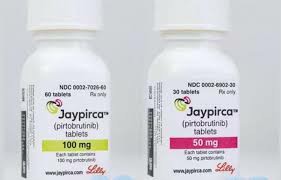
In specific case studies, it was reported that a patient with mantle cell lymphoma who failed multiple lines of treatment had a significant reduction in lymph node size after several weeks of treatment with pitubrutinib, and B symptoms such as night sweats, fatigue and weight loss were significantly improved. Imaging evaluation showed that the tumor burden was significantly reduced, hematological indicators gradually returned to stability, and the patient's quality of life was significantly improved. This case suggests that pitubrutinib may still play an important role in disease control even in the context of highly drug-resistant disease.
Another typical case comes from BTKInhibitor intolerant patient population. Some patients were forced to stop taking ibrutinib due to the risk of severe arrhythmia or bleeding, leading to rapid disease progression. After switching to pitubrutinib, related cardiovascular adverse reactions were significantly reduced, and the disease was remitted again, suggesting that the drug has certain advantages in terms of safety and tolerability. This feature is particularly important for lymphoma patients who are elderly or have multiple underlying diseases.
From a safety perspective, pitubrutinib is generally well tolerated, with most common adverse reactions being mild to moderate, including fatigue, diarrhea, nausea, and mild infection. The incidence of serious cardiotoxicity and bleeding events is relatively low. This makes it more sustainable in long-term treatment and helps maintain disease remission. Follow-up of some cases shows that patients can still maintain good functional status and quality of life even if they continue to take medication for several months or even longer.
Based on the existing efficacy data and case studies, it can be seen that Pitobrutinib/Pitobrutinib has clear clinical value in the field of lymphoma treatment, especially for patients with relapsed and refractory tumors, BTK mutations, or patients who are intolerant to traditional BTK inhibitors. With the accumulation of more real-world studies and long-term follow-up data, the optimal timing of its use, combination treatment strategies and long-term survival benefits in different lymphoma subtypes are still expected to be further clarified, providing more precise and personalized treatment options for lymphoma patients.
Keyword tags: Pitobrutinib, BTK inhibitor, lymphoma, relapsed and refractory, BTK mutation, tolerance
Reference materials:https://pmc.ncbi.nlm.nih.gov/articles/PMC10841293/
[ 免责声明 ] 本页面内容来自公开渠道(如FDA官网、Drugs官网、原研药厂官网等),仅供持有医疗专业资质的人员用于医学药学研究参考,不构成任何治疗建议或药品推荐。所涉药品可能未在中国大陆获批上市,不适用于中国境内销售和使用。如需治疗,请咨询正规医疗机构。本站不提供药品销售或代购服务。


