
.jpeg)
Comparative analysis of the weight loss effects of tilpotide/tilsiparatide (Mufenda) and liraglutide
Tirzepatide and liraglutide are both incretin-related weight loss and hypoglycemic drugs, but they have obvious differences in their mechanisms of action and weight loss effects. Liraglutide is a GLP-1 receptor agonist that helps weight loss by suppressing appetite, delaying gastric emptying and improving insulin secretion; while tilpotide is a GLP-1andGIP dual receptor agonists have a broader physiological role in regulating the appetite center, energy metabolism and fat utilization. This is also an important reason why their weight loss effects are generally considered to be stronger.
From the perspective of clinical weight loss effects, multiple studies and real-world drug feedback show that tilpotide is overall better than liraglutide in terms of weight loss range and sustainability. The average weight loss of patients using liraglutide is around 5%–8%. However, when tilpotide is used in sufficient amounts and regulated, many Patients can achieve a weight loss rate of more than 10% or even 15%. The weight loss effect of some obese people is close to the level of metabolic surgery. This difference is particularly evident in people with moderate to severe obesity or insulin resistance.
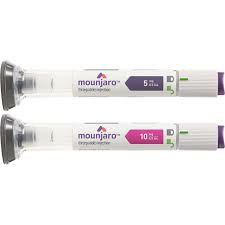
There are also certain differences between the two in terms of medication convenience and tolerability. Liraglutide usually requires daily subcutaneous injection, and long-term compliance is a challenge for some patients; tilpotide is injected once a week, which has an advantage in dosing frequency and helps improve the possibility of long-term adherence to treatment. In terms of adverse reactions, the two common gastrointestinal reactions such as nausea, vomiting, abdominal distension and loss of appetite are relatively similar, but the discomfort of tilpotide may be more obvious in the initial stage, so more caution is needed in the dose escalation stage.
Taken together, among patients whose main goal is to lose weight, tilpotide has a stronger overall weight loss effect and lower dosing frequency, and is more suitable for people with moderate to severe obesity or insufficient response to GLP-1 single-target drugs; while liraglutide still has stable advantages in terms of long-term application experience, safety data, and mild to moderate weight loss needs. The specific choice of drug should be determined based on the patient's weight basis, metabolic status, tolerance and doctor's evaluation, rather than simply using weight loss as the only criterion.
Keyword tags: tilpotide, tilsiparatide, weight loss, GLP-1/GIPDual receptor agonist, liraglutide, obesity
Reference materials:https://www.ncbi.nlm.nih.gov/books/NBK585056/
xa0
[ 免责声明 ] 本页面内容来自公开渠道(如FDA官网、Drugs官网、原研药厂官网等),仅供持有医疗专业资质的人员用于医学药学研究参考,不构成任何治疗建议或药品推荐。所涉药品可能未在中国大陆获批上市,不适用于中国境内销售和使用。如需治疗,请咨询正规医疗机构。本站不提供药品销售或代购服务。


