
.jpeg)
Analysis of the pharmacological effects, indications and clinical efficacy of Guanfacine in attention deficit hyperactivity disorder
Guanfacine (Guanfacine) is a selective α2A adrenoceptor agonist. It mainly acts on the prefrontal cortex of the central nervous system and improves attention, impulse control and executive functions by regulating the norepinephrine signaling pathway. This drug was originally used to treat high blood pressure, but with in-depth research on the mechanism of action of the central nervous system, guanfacine has gradually been used to treat attention deficit hyperactivity disorder (ADHD) in children and adolescents. Unlike traditional central stimulants such as methamphetamines, guanfacine improves attention deficit and impulsive behavior by enhancing signaling in the prefrontal network and reducing overactive neuronal firing.
In terms of pharmacological effects, guanfacine can inhibit the release of norepinephrine from nerve terminals by selectively activating α2A receptors, and at the same time enhance the signal transmission of neurons in the prefrontal cortex. This mechanism helps improve the prefrontal lobe's ability to regulate attention and behavioral control, thereby having a positive effect on the inattention, hyperactivity, and impulsive behaviors exhibited by ADHD patients. Clinical studies have shown that guanfacine's characteristics in regulating neural circuit activity make it also have certain advantages in improving nighttime sleep and controlling anxiety symptoms. It is especially suitable for ADHD children with sleep disorders or anxiety.
The indications for guanfacine mainly include the adjuvant or standalone treatment of ADHD in children and adolescentsADHD. Guanfacine provides a relatively safe and effective non-stimulant option for patients with mild to moderate symptoms or those with intolerance to central stimulants, cardiovascular risk, or sleep disorders. In addition, guanfacine is also used to treat hypertension, but low-dose preparations are used in the treatment of ADHD, which emphasizes central nervous system effects rather than blood pressure regulation. In clinical practice, drug doses generally start from a low dose and are gradually adjusted to the effective range to achieve a balance between efficacy and tolerability.
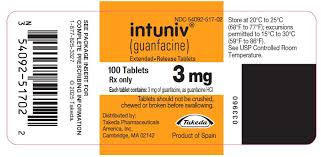
In terms of clinical efficacy, multiple randomized controlled trials and real-world studies have shown that guanfacine can significantly improve the core symptoms of ADHD patients. In the study, children showed increased attention span, reduced impulsive behavior, and relief of hyperactivity symptoms after taking the drug for several weeks. At the same time, parent and teacher behavioral scores also showed significant improvements, reflecting the drug's actual benefits in daily life and learning settings. Compared with stimulant drugs, guanfacine has a slightly slower onset of action, but because of its mild side effects, including drowsiness, mild hypotension and dry mouth, it is well tolerated in the long term and is suitable for long-term maintenance treatment and combined intervention.
Long-term use of guanfacine has also been shown to have positive effects on behavioral regulation and sleep patterns. While some patients improve their sleep quality at night, their attention and learning performance during the day also improve. This dual benefit makes guanfacine a good choice for ADHDADHDImportant choices in integrated management strategies. Especially for patients with mood swings, anxiety or impulsive behavior, guanfacine can improve core symptoms while relieving some accompanying problems, providing a more comprehensive treatment effect.
Individualized treatment strategies are crucial in guanfacine use. Dose adjustment needs to be based on comprehensive evaluation of weight, age, disease severity and concomitant diseases. In patients with poor tolerance or low blood pressure, the dose should be adjusted carefully and blood pressure and heart rate should be monitored regularly. At the same time, attention should be paid to possible drug interactions caused by combined use with other central nervous system drugs. For example, when combined with stimulant drugs, changes in cardiovascular and psychiatric symptoms need to be closely observed. With an individualized approach, efficacy can be maximized and potential risks reduced.
Overall, guanfacine (Guanfacine) has shown good efficacy and tolerability in the treatment of ADHD due to its selective α2A receptor agonism. It not only improves attention deficit, hyperactivity and impulsive behavior, but also has a certain auxiliary effect on sleep and accompanying anxiety symptoms. Through individualized dose adjustment, long-term efficacy monitoring and combined behavioral intervention, guanfacine can provide a safe and sustainable comprehensive management plan for children and adolescent ADHD patients, improve learning ability, social function and quality of life, and provide an important non-stimulant treatment option for clinical practice.
Reference materials:https://medlineplus.gov/druginfo/meds/a694009.html
[ 免责声明 ] 本页面内容来自公开渠道(如FDA官网、Drugs官网、原研药厂官网等),仅供持有医疗专业资质的人员用于医学药学研究参考,不构成任何治疗建议或药品推荐。所涉药品可能未在中国大陆获批上市,不适用于中国境内销售和使用。如需治疗,请咨询正规医疗机构。本站不提供药品销售或代购服务。


