
.jpeg)
Revumenib-REVUFORJ analysis of different dosages, treatment schedules and patient medication recommendations
Revumenib-REVUFORJ is a new oral targeted drug mainly used to treat patients with acute myeloid leukemia (AML) with specific gene mutations. Standard usage usually determines the dosage based on the patient's body surface area and genetic mutation type. Currently, the commonly used clinical dosage range is a different number of mg/span> taken orally once a day. The drug is metabolized stably in the body, and taking it at a fixed time every day can maintain stable blood drug concentration, thereby effectively inhibiting target signaling pathways and blocking the proliferation and survival of abnormal leukemia cells.
In terms of treatment schedule, Revimenib usually adopts a cyclic administration mode. According to the clinical trial design, each treatment course is approximately 28 days, and multiple cycles of medication are used continuously to achieve sustained tumor suppression activity. The length of the treatment course needs to be adjusted based on the patient's efficacy evaluation and tolerance. If significant side effects or blood abnormalities occur, the doctor may consider extending the cycle interval or briefly discontinuing the treatment and continuing treatment in the next cycle. This flexible treatment schedule helps reduce the risk of drug toxicity while ensuring efficacy.
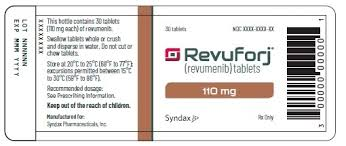
Adjustments to different doses also need to be combined with individualized assessment. For initial treatment patients, it is common to start with a low dose to observe tolerance and hematological parameters. If the patient tolerates it well and the effect is insufficient, the dose can be gradually increased under the guidance of a doctor. For patients with impaired liver and kidney function or elderly patients, the dosage needs to be carefully selected, and if necessary, the dosage should be reduced or the dosage interval should be extended to reduce the incidence of adverse reactions. Dose adjustment should be based on blood routine, liver and kidney function and symptom assessment to ensure the safety and effectiveness of individualized treatment.
While using Revemenib, patients should also pay attention to regular follow-up examinations as directed by their doctor, including blood picture monitoring, liver and kidney function assessment, and bone marrow or imaging examinations, to evaluate efficacy and detect potential risks. At the same time, you should avoid stopping the drug on your own or adjusting the dose at will to prevent disease progression or the emergence of drug resistance. Reasonable medication recommendations include taking the medication on time every day, following the dose adjustment plan, regular review and timely feedback of discomfort symptoms to the doctor. These measures can ensure that Revimenib can exert the best effect in long-term treatment while ensuring the patient's medication safety.
Reference materials:https://www.accessdata.fda.gov/drugsatfda_docs/label/2024/215891s000lbl.pdf
[ 免责声明 ] 本页面内容来自公开渠道(如FDA官网、Drugs官网、原研药厂官网等),仅供持有医疗专业资质的人员用于医学药学研究参考,不构成任何治疗建议或药品推荐。所涉药品可能未在中国大陆获批上市,不适用于中国境内销售和使用。如需治疗,请咨询正规医疗机构。本站不提供药品销售或代购服务。


