
.jpeg)
A safety study on whether aprocitentan can be used in combination with other drugs
Aprocitentan (aprocitentan), as a dual endothelin receptor antagonist, has shown good antihypertensive effects in the treatment of refractory hypertension. Clinically, many patients are usually already taking conventional antihypertensive drugs such as ACEI/ARB, calcium channel blockers or diuretics, but their blood pressure is still difficult to control. Therefore, it is of great clinical significance to explore the safety of aprecitentan in combination with other antihypertensive drugs. Studies have shown that aprecitentan can be used in combination with a variety of antihypertensive drugs, showing additive effects on antihypertensive effects. At the same time, it is generally well tolerated, providing a new treatment strategy for patients with resistant hypertension.
In combined use, aprecitentan is more commonly used in combination with ACEI or ARB drugs. Clinical trials have shown that this combination can significantly reduce systolic and diastolic blood pressure without increasing the incidence of serious adverse events. Mild edema is the most common side effect but can usually be controlled with dose adjustment or adjunctive diuretics. The effects on renal function and serum potassium levels are relatively limited, but regular monitoring is still recommended during combined use to prevent potential risk accumulation.
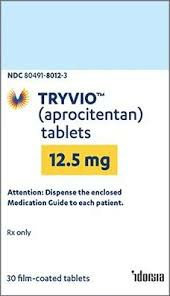
Aprecitentan has also shown a good safety profile when used in combination with calcium channel blockers or diuretics. In a multicenter randomized controlled trial, the combination group experienced a greater reduction in blood pressure than the single-agent group, but there was no significant increase in the incidence of severe hypotension or electrolyte disturbances. Research suggests that reasonable dosage arrangements and follow-up monitoring are the keys to ensuring the safety of combined medication. In addition, for patients with cardiac dysfunction or high risk of fluid retention, water and sodium retention need to be closely observed to prevent aggravation of adverse reactions.
Overall, aprecitentan has shown good safety and tolerability in clinical studies when used in combination with other antihypertensive drugs. Combination medication can not only enhance the antihypertensive effect, but also provide more personalized treatment options for patients with refractory hypertension. However, the combination regimen still needs to be carried out under the guidance of a doctor, and dosage adjustments and regular monitoring must be carried out based on the patient's specific conditions to ensure long-term medication safety and maximum efficacy.
Reference materials:https://en.wikipedia.org/wiki/Aprocitentan
[ 免责声明 ] 本页面内容来自公开渠道(如FDA官网、Drugs官网、原研药厂官网等),仅供持有医疗专业资质的人员用于医学药学研究参考,不构成任何治疗建议或药品推荐。所涉药品可能未在中国大陆获批上市,不适用于中国境内销售和使用。如需治疗,请咨询正规医疗机构。本站不提供药品销售或代购服务。


