
.jpeg)
Long-term safety assessment of maribavi/ytaizhi
Maribavir(Maribavir) is an oral pUL97 kinase inhibitor used to treat patients with cytomegalovirus (CMV) infection after transplantation who develop resistance or relapse to traditional anti-CMV drugs. Long-term safety is a core clinical concern because these patients are often immunosuppressed and susceptible to infection and adverse drug reactions. According to overseas clinical studies and post-marketing surveillance data, maribavir has shown good tolerability in long-term use.
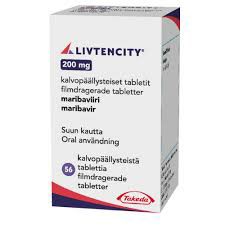
Compared with traditional CMV drugs, the advantage of maribavir is that it specifically inhibits CMV replication and has low toxicity to host cells. Clinical studies have shown that most patients did not experience severe nephrotoxicity or bone marrow suppression during use, which is particularly important for kidney transplant or bone marrow transplant patients. Common adverse reactions include dysgeusia, mild gastrointestinal discomfort, and headache, but most symptoms are mild to moderate and can be relieved with treatment adjustment. It is worth noting that no cumulative toxicity or serious cardiovascular events were observed in long-term follow-up studies, suggesting that it is suitable for long-term maintenance treatment or patients with repeated relapses.
In terms of drug interactions, the metabolism of maribavir mainly depends on the liverCYP3A pathway, so the dose needs to be adjusted carefully when using strong CYP3A inhibitors or inducers in combination. For patients with long-term use, hematological indicators and liver and kidney functions should be monitored regularly to detect potential abnormalities in a timely manner. At the same time, patients should pay close attention to weight changes, fatigue levels and any abnormal signs of infection during the medication process to facilitate early intervention. Overall, the safety and tolerability of long-term use of maribavir have been clinically verified, providing a feasible and safe treatment option for patients with drug-resistant CMV infection.
Reference materials:https://dailymed.nlm.nih.gov/dailymed/drugInfo.cfm?setid=c94fc2c5-e840-4f18-b7d8-d5eacb26d3a0
[ 免责声明 ] 本页面内容来自公开渠道(如FDA官网、Drugs官网、原研药厂官网等),仅供持有医疗专业资质的人员用于医学药学研究参考,不构成任何治疗建议或药品推荐。所涉药品可能未在中国大陆获批上市,不适用于中国境内销售和使用。如需治疗,请咨询正规医疗机构。本站不提供药品销售或代购服务。


