
.jpeg)
FDA approves simplified monthly regimen of mirikizumab for maintenance treatment of ulcerative colitis
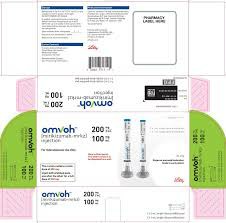
Lilly announced on October 27, 2025 that the U.S. FDA has approved a single injection of Mirikizumab (Mirikizumab) once a month for adults with moderately to severely active ulcerative colitis (UC). The new 200 mg/2 mL subcutaneous formulation replaces the previously approved two-injection maintenance regimen. This marks the third FDA approval of militizumab in 2025, following previous approvals for Crohn's disease and citrate-free formulations. In early 2026.1, single-injection maintenance doses will be available in the United States via prefilled pens or prefilled syringes.
In clinical practice, we have found that simplifying maintenance therapy can change the overall patient experience, and that once-monthly injections of militizumab can provide patients with a regimen that is easier to manage while avoiding the unpredictability of ulcerative colitis. Militizumab treatment for ulcerative colitis is initiated with an intravenous infusion of 300 mg every four weeks for a total of 3 infusions. At week 12, patients switched to subcutaneous self-injections every four weeks for maintenance therapy.
With new data demonstrating the effectiveness of militizumab in resolving bowel urgency, one of the most challenging symptoms for patients with ulcerative colitis. The results of the Phase 3b LUCENT-Purge study submitted in October 2025 showed that by week 12.2, patients had a 55% reduction in daily bowel exacerbations compared with baseline.
For many people with ulcerative colitis, the unpredictable and urgent need to find a toilet can be stressful, disrupting daily activities, often forcing them to map toilet locations or avoid important events. These data build on previous phase 3 and long-term results demonstrating that militizumab can reduce gastrointestinal urgency and help people regain control of symptoms that often dominate their daily lives.
By week 28, bowel urgency severity had decreased by 52%, with nearly one-third of patients able to delay using the bathroom for at least 15 minutes after feeling urgent, compared with 4% at baseline. LUCENT-Purge is the first study in inflammatory bowel disease to assess bowel urgency, severity, frequency and fecal delay, reflecting the scope of its burden on patients.
The single-shot approval was based on results from a phase 1 study that compared participants onceResults of 200mg/2mL subcutaneous injection and two 100mg/1mL injections. According to the company's announcement, the study confirmed that a single injection of militizumab is bioequivalent to the previously approved two-injection regimen.
Expanding treatment options for inflammatory bowel disease
Milizumab's mechanism of action targets interleukin-23p19 (IL-23p19), a protein involved in intestinal inflammation. The drug received its first FDA approval in October 2023, making it a first-in-class treatment for moderately to severely active ulcerative colitis. In January 2025, the FDA expanded the indication to adults with moderately to severely active Crohn's disease, making it the first biologic treatment in more than 15 years to disclose 2-year Phase 3 efficacy data for Crohn's disease at the time of approval.
For Crohn's disease,Data from the phase 3 VIVID-1 trial showed that 53% of patients treated with militizumab achieved clinical remission within one year, compared with 36% of patients treated with placebo. Additionally, 46% of militizumab-treated patients demonstrated an endoscopic response at one year, compared with 23% of placebo-treated patients. An ongoing open-label extension study, VIVID-2, showed that nearly 90% of patients who achieved clinical remission and endoscopic response within one year maintained clinical remission after two consecutive years of militizumab treatment.
Many people with Crohn's disease have tried available treatments and are still seeking a treatment option that works for them to help manage their disease. The most common adverse events associated with militizumab include upper respiratory tract infection, injection site reaction, headache, arthralgia, and elevated liver enzymes. FDA labels include warnings about allergic reactions, infections, tuberculosis, hepatotoxicity and immunizations. In the LUCENT-URGE study, 5.2% of patients reported serious adverse events, and 4.7% discontinued treatment due to adverse events.
Eli Lilly intends to offer militizumab injection as a prefilled pen or syringe in the United States in early 2026, according to the press release.
References: UpdatedNovember 5, 2025, https://www.patientcareonline.com/view/fda-approves-simplified-once-monthly-mirikizumab-mrkz-regimen-for-ulcerative-colitis-maintenance-therapy
[ 免责声明 ] 本页面内容来自公开渠道(如FDA官网、Drugs官网、原研药厂官网等),仅供持有医疗专业资质的人员用于医学药学研究参考,不构成任何治疗建议或药品推荐。所涉药品可能未在中国大陆获批上市,不适用于中国境内销售和使用。如需治疗,请咨询正规医疗机构。本站不提供药品销售或代购服务。


