
.jpeg)
Is selumetinib/coseutinib a drug that needs to be taken for life?
Whether selumetinib needs to be taken for life is one of the issues that many NF1-related plexiform neurofibromatosis patients and their families are most concerned about in the early stages of treatment. Especially after the drug was approved for adults with neurofibromatosis type 1 with plexiform neurofibromas, the necessity of long-term medication, safety and disease changes after discontinuation of medication have become core issues in clinical practice and patient decision-making.
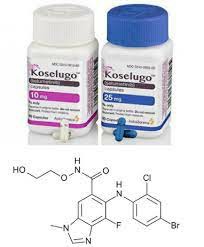
From a pharmacological mechanism, selumetinib is not a "curative" drug, but it controls tumor growth by continuously inhibiting the abnormally activated MEK pathway. This means that once the drug is stopped, the relevant signaling pathways may become active again, and there is a risk that the tumor will grow again or symptoms will return. Multiple overseas long-term follow-up experiences show that selumetinib is closer to a "disease control treatment" than a drug that can achieve treatment goals in a short course of treatment.
But this does not mean that all patients need to take it for life. In actual clinical practice, whether to continue medication usually depends on a comprehensive evaluation of multiple factors, including changes in tumor volume, degree of symptom improvement, tolerance of adverse reactions, and patient quality of life. For some patients, after the tumor shrinks significantly and symptoms stabilize, doctors may try to adjust the dose or discontinue the drug in stages, and closely observe changes in the condition through imaging and clinical follow-up.
In adult patients, treatment strategies tend to be more individualized. On the one hand, the growth rate of plexiform neurofibromas in adults is usually slower than that in children; on the other hand, long-term medication may cause adverse reactions related to the skin, gastrointestinal tract, or heart. Therefore, whether to maintain treatment for a long time requires a balance between risks and benefits, rather than simply applying the concept of "lifelong medication".
Based on comprehensive guidelines and real-world experience, selumetinib is more suitable as a long-term, adjustable chronic disease management drug. Its usage period is not fixed, but changes dynamically with the disease state. Patients should maintain long-term communication with their doctors during the treatment process and decide whether to continue, adjust or suspend treatment through regular evaluation. This is also a management idea that is currently recommended internationally.
References:https://www.ema.europa.eu/en/medicines/human/EPAR/koselugo
[ 免责声明 ] 本页面内容来自公开渠道(如FDA官网、Drugs官网、原研药厂官网等),仅供持有医疗专业资质的人员用于医学药学研究参考,不构成任何治疗建议或药品推荐。所涉药品可能未在中国大陆获批上市,不适用于中国境内销售和使用。如需治疗,请咨询正规医疗机构。本站不提供药品销售或代购服务。


