
.jpeg)
The three most taboo drugs when taking Lorlatinib/Lorlatinib (Borina)
Lorlatinib/ Lorlatinib ( Lorlatinib) is a third-generation ALK/ROS1 tyrosine kinase inhibitor, mainly used for the treatment of ALK-positive non-small cell lung cancer. Due to its complex molecular structure and strong blood-brain barrier permeability, the metabolism of lorlatinib in the body is highly dependent on the liver enzyme system. Therefore, drug interaction issues are particularly critical during medication. Overseas medication guidelines generally emphasize that avoiding combination with specific types of drugs is the core prerequisite to ensure stable efficacy and safety.
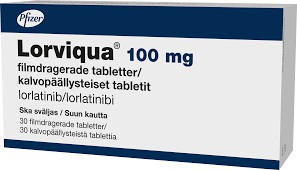
From the perspective of metabolic mechanism, lorlatinib is mainly metabolized by the CYP3A enzyme system, so the most important thing to be vigilant about is the combined use of strong CYP3A inducers. Drugs represented by rifampicin will significantly accelerate the decomposition rate of lorlatinib in the body, resulting in a significant decrease in blood concentration, thereby affecting the anti-tumor effect. In overseas clinical practice, this type of combination is usually regarded as a combination that "should be avoided as much as possible", and even short-term use may weaken the continuity of treatment.
In addition to strong inducers, moderate CYP3A inducers cannot be ignored. Although its impact is relatively low, in the context of long-term medication, it may still cause unstable exposure levels of lorlatinib, making efficacy evaluation and dose management more difficult. Therefore, most overseas pharmaceutical literature recommends minimizing the introduction of any drugs that may affect CYP3A activity during lorlatinib treatment.
On the other hand, strongCYP3A inhibitors are also one of the important contraindications in the use of lorlatinib. Take antifungal drugs such as fluconazole as an example. These drugs will slow down the metabolism of lorlatinib and abnormally increase the blood concentration of the drug, thus increasing the risk of adverse reactions in the central nervous system, hyperlipidemia and other risks. For cancer patients who require long-term treatment, this accumulation of risks is even more worthy of vigilance.
References:https://www.medicines.org.uk/emc/product/10701/smpc
[ 免责声明 ] 本页面内容来自公开渠道(如FDA官网、Drugs官网、原研药厂官网等),仅供持有医疗专业资质的人员用于医学药学研究参考,不构成任何治疗建议或药品推荐。所涉药品可能未在中国大陆获批上市,不适用于中国境内销售和使用。如需治疗,请咨询正规医疗机构。本站不提供药品销售或代购服务。


