
.jpeg)
What diseases is Trientine mainly used to treat?
Trientine(Trientine) is a classic copper chelator, mainly used to treat hepatolenticular degeneration, also known as Wilson's disease. This is an autosomal recessive metabolic disease caused by mutations in the ATP7B gene. Its core pathological mechanism is a disorder of copper metabolism in the body, which prevents the normal excretion of excess copper from the body, resulting in abnormal deposition of copper in the liver, brain, cornea and other tissues. As the copper load continues to increase, patients may gradually develop liver function abnormalities, neurological symptoms, and mental and behavioral changes.
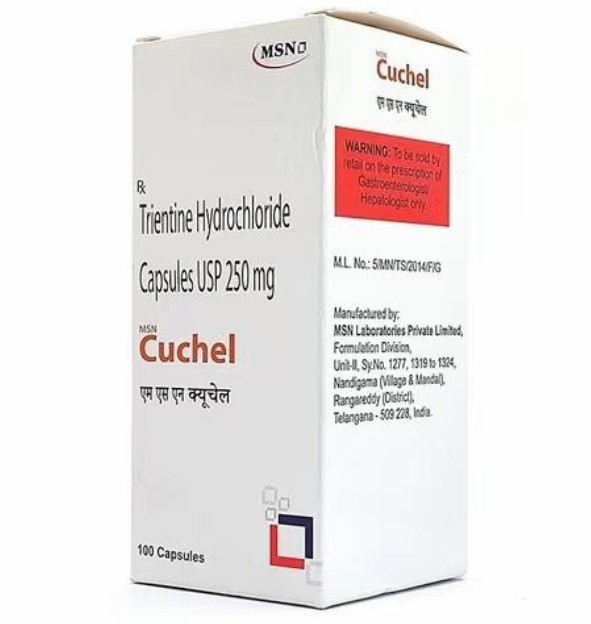
In clinical practice, trientine is mainly suitable for children who are intolerant to penicillaminechildren aged ≥5 years and adults with Wilson disease (rare disease). Although penicillamine is a traditional first-line copper chelation therapy, it may cause significant adverse reactions in some patients, such as skin allergies, blood system abnormalities, or immune-related complications, making long-term use impossible. In this context, trientine has become an important alternative treatment option and has been widely included in overseas treatment guidelines for hepatolenticular degeneration.
From a pharmacological point of view, trientine combines with free copper ions in the body to form a soluble complex, which is mainly excreted through urine, thereby gradually reducing the copper load in the body. Unlike simply restricting dietary copper intake, trientine can directly interfere with the copper metabolism process, which is of fundamental significance in controlling disease progression. Long-term regular medication can help improve or stabilize liver function and reduce the risk of further aggravation of neurological damage.
In long-term follow-up overseas, trientine is often used in the stable disease and maintenance treatment stages, especially for patients who require long-term medication and have poor tolerance to penicillamine. For some patients who have developed liver damage or neurological symptoms, the rational use of trientine combined with low-copper dietary management can help delay the progression of the disease and improve the quality of life. Therefore, trientine has an irreplaceable position in the overall treatment system for hepatolenticular degeneration.
Reference materials:https://www.mayoclinic.org/drugs-supplements/trientine-oral-route/description/drg-20066488
[ 免责声明 ] 本页面内容来自公开渠道(如FDA官网、Drugs官网、原研药厂官网等),仅供持有医疗专业资质的人员用于医学药学研究参考,不构成任何治疗建议或药品推荐。所涉药品可能未在中国大陆获批上市,不适用于中国境内销售和使用。如需治疗,请咨询正规医疗机构。本站不提供药品销售或代购服务。


