
.jpeg)
Clinical trial data and weight loss and hypoglycemic effects of tilpotide/tilsiparatide (Mufenda)
Tirzepatide is a new dual peptide receptor agonist that can simultaneously activate glucagon-like peptide-1 receptor ( GLP-1R) and glucose-dependent insulin secretagogue receptor (GIPR), have shown significant efficacy in the management of diabetes and obesity. Clinical trial data show that while tilsiparatide improves blood sugar control, it can also significantly promote weight loss, which makes it a unique application value in patients with diabetes and obesity. Its mechanism of action is mainly by enhancing insulin secretion, inhibiting glucagon secretion, delaying gastric emptying and improving appetite control, thereby achieving the comprehensive effect of lowering blood sugar and losing weight.
In a series of global multi-center clinical trials, tilsiparatide has shown good hypoglycemic effects. The SURPASS series of trials in patients with type 2 diabetes showed that after 26 to 52 weeks of treatment After treatment, the average decrease in glycated hemoglobin (HbA1c) of patients who received tisiparatide could reach 1.5% to 2.0%, which has obvious advantages over traditional metformin or insulin therapy. At the same time, the fasting blood sugar and postprandial blood sugar levels of most patients dropped significantly, and the stability of blood sugar control was good, with a low incidence of hypoglycemia events. The dose gradient design of tisiparatide (e.g., 5 mg, 10 mg, 15 mg) allows for individualized adjustments based on the patient's glycemic and weight status to optimize efficacy and tolerability.
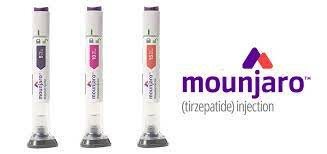
In terms of weight loss, tilsiparatide also showed significant advantages. In the SURMOUNT-1obesity study, non-diabetic patients treated with high-dose tilsiparatide experienced an average weight loss of 15%-20%, and some patients even exceeded 20% . Weight loss not only improves body appearance, but is also accompanied by improvements in metabolic indicators such as blood pressure, blood lipids, and insulin sensitivity, which helps reduce cardiovascular risk. This dual effect makes tilsiparatide an ideal treatment option for patients with diabetes and obesity, and also provides a new option for drug intervention in obesity.
Regarding safety, clinical trials have shown that the common adverse reactions of tilsiparatide are mainly gastrointestinal reactions, such as nausea, vomiting, diarrhea and loss of appetite. Most of them occur during the initial dose adjustment period, and are usually mild to moderate and can be relieved on their own. Serious adverse events were rare and overall well tolerated. For high-risk patients (such as those with previous pancreatic disease or severe gastrointestinal disease), it needs to be used under the guidance of a doctor and closely monitored. Long-term follow-up studies also suggest that tilsiparatide shows sustained efficacy in maintaining blood sugar and improving body weight, providing a reliable basis for clinical application.
Taken together, tilpotide/tilsipatide shows the dual advantages of lowering blood sugar and reducing weight in the treatment of diabetes and obesity. Its clinical trial data clearly shows that the drug can not only effectively reduce blood sugar levels, but also significantly reduce weight and improve metabolic syndrome-related indicators. In the future, with the accumulation of more long-term and real-world data, tilsiparatide is expected to become an important treatment option for patients with diabetes and obesity, while also providing a new treatment strategy for the comprehensive management of multiple metabolic abnormalities.
Reference:https://en.wikipedia.org/wiki/Tirzepatide
[ 免责声明 ] 本页面内容来自公开渠道(如FDA官网、Drugs官网、原研药厂官网等),仅供持有医疗专业资质的人员用于医学药学研究参考,不构成任何治疗建议或药品推荐。所涉药品可能未在中国大陆获批上市,不适用于中国境内销售和使用。如需治疗,请咨询正规医疗机构。本站不提供药品销售或代购服务。


