
.jpeg)
BCMA triple therapy (mabelantumab/pomalidomide/dexamethasone) shows deep response in multiple myeloma
According to the interim analysis results of the phase 2 clinical trial (NCT05208307) submitted at the 22nd International Myeloma Society The triple combination of Blenrep, Pomalidomide-Pomalyst and dexamethasone (BPd) was well tolerated and resulted in deep responses in patients with high-risk multiple myeloma.
As of the data cutoff date of August 31, 2025, baseline responses in 17 patients evaluable for efficacy showed that 31.6% of patients had a stringent complete response (CR), 52.6% of patients had a very good partial response (VGPR), and 15.8% had a partial response (PR). Best response showed that 68.4% of patients experienced stringent CR, 15.8% experienced VGPR, and 5.3% experienced PR. The median time to best response was 1.0 months (range 0.43-13.8).
By analyzing14 samples, 64.30% of patients achieved minimal residual disease (MRD) negativity, defined by next-generation sequencing with a sensitivity of 10-6; 88.9% of MRD-negative patients achieved CR or better rates, and 11.1% achieved VGPR. When MRD negativity was defined as a sensitivity of 10-5, 78.60% of patients achieved negativity; 90.9% of these patients achieved CR or better and 9.1% achieved VGPR.
In addition, with a median follow-up of 6 months after diagnosis and a median follow-up of 15 months after diagnosis, 0% of 17 evaluable patients reported any progression events.
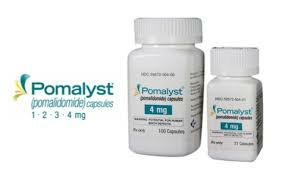
In patients with high-risk[multiple] myeloma, BPd plus maintenance therapy has been shown to be safe, well-tolerated, and effective. The primary endpoint of [CR or better] was achieved in 68.4% of high-risk patients. In the [maximum tolerated dose (MTD) group], there were no Grade 3 or 4 events when patients received 1.9 mg/kg of mabelantuzumab every 12 weeks.
In this study, there wereTwenty-two patients were treated on Day 1 of Cycle 1. Eligible patients had high-risk multiple myeloma; the presence of del(17p), t(4;14), and 1(14;16); had primary plasma cell leukemia with at least 20% circulating plasma cells in the peripheral blood; had induction therapy of physician choice and status after autologous stem cell transplantation; were enrolled within 6 months of transplantation; and were eligible to receive maintenance therapy.
The median age of patients was 59 years, the median time from diagnosis to study entry was 8.0 months, and the median time from autologous stem cell transplantation to study entry was 2.5 months. A total of 52% of patients were male, 72% were white, and 60% had Revised International Staging System stage II disease.
Treatment consisted of intravenous mabelantuzumab at dose level 0, dose level 1.9 mg/kg, dose level 1.4 mg/kg, and MT on day 1 of every 28-day cycle D; Pomalidomide 4 mg orally at all dose levels on Days 1 through 21 of each 28-day cycle; Dexamethasone 40 mg orally at all dose levels on Days 1, 8, 15, and 22 of each 28-day cycle. All treatments were continued for 3 years or until disease progression.
Patients may also elect to receive 1.9 mg/kg of mabelantuzumab every 12 weeks after the first two doses (8 weeks apart). Of note, the first 6 patients performed a safe run-in at the maximum planned dose; 1 dose-limiting toxicity was observed. Efficacy was analyzed using a minimax 2-stage design. An interim analysis will also be conducted after the first 19 patients become evaluable for futility response. The primary endpoint of the trial is CR rate or better. Secondary endpoints include progression-free survival, VGPR or better, duration of response, overall survival, MRD and safety.
In the safety run-in (n=6), the most common grade 1 and 2 adverse events (AEs) were blurred vision (66.7%), dizziness (33.33%), peripheral movement Motor neuropathy (33.33%) and diarrhea (33.33%); Grade 3 or 4 AEs were hypoxia, blurred vision, thromboembolic events, pneumonia, and decreased vision, all of which occurred in 1 patient (16.67%).
In the expansion of MTD dose levels (n=12), Grade 1 and 2 AEs included blurred vision (58.33%), insomnia (33.33%), diarrhea (16.67%), muscle cramps (16.67%), and back pain (16.67%); no Grade 3 or 4 AEs occurred.
The current findings support exploration of BPd maintenance in future high-risk studies The current study will be expanded to include more than 20 patients with the new [International Myeloma Society International Myeloma Working Group] high-risk definition.
Reference: updated onOctober 17, 2025, https://www.targetedonc.com/view/belantamab-mafodotin-triplet-regimen-leads-to-deep-responses-tolerability-in-multiple-myeloma
[ 免责声明 ] 本页面内容来自公开渠道(如FDA官网、Drugs官网、原研药厂官网等),仅供持有医疗专业资质的人员用于医学药学研究参考,不构成任何治疗建议或药品推荐。所涉药品可能未在中国大陆获批上市,不适用于中国境内销售和使用。如需治疗,请咨询正规医疗机构。本站不提供药品销售或代购服务。


