
.jpeg)
Clinical application of aprocitentan in chronic thromboembolic pulmonary hypertension
The application of aprocitentan in chronic thromboembolic pulmonary hypertension (CTEPH) is mainly based on its antagonistic effect on angiotensin receptors. The drug blocks the effect of angiotensin II on vascular smooth muscle, reduces pulmonary artery pressure, improves hemodynamics, thereby relieving the load on the right heart and reducing the risk of heart failure. This mechanism of action is particularly important for CTEPH patients because increased pulmonary vascular resistance is a core factor in disease progression. Clinical studies have shown that aprecitentan can significantly improve patients' exercise tolerance and cardiac function indicators, providing auxiliary treatment options for patients whose symptoms cannot be completely resolved by surgery or interventional treatment.
In clinical application, aprecitentan is usually used as basic treatment or combination treatment. For patients who have contraindications to surgery or who still have high pulmonary artery pressure after surgery, drugs can control the progression of the disease to a certain extent and delay the worsening of symptoms. Studies have shown that aprecitentan can improve 6 minute walking distance and cardiac function scores in CTEPH patients, while reducing pulmonary artery systolic pressure, showing good clinical efficacy. During the treatment process, doctors need to evaluate the dose and course of treatment according to the patient's condition to achieve the best treatment effect.
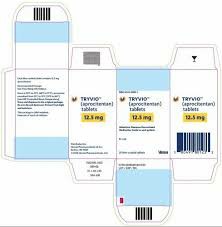
In terms of safety, aprecitentan is generally well tolerated, but CTEPH patients still need to pay attention to possible adverse reactions such as blood pressure fluctuations, edema and electrolyte abnormalities. It is clinically recommended to closely monitor blood pressure and renal function in the early stages of treatment, and adjust the dose if necessary. In addition, patients taking other antihypertensive or diuretic drugs concomitantly should be cautious about adverse events caused by drug interactions. Regular review of cardiac function and pulmonary artery pressure will help evaluate efficacy and safety.
Overall, the clinical application of aprecitentan inCTEPH provides patients with new drug options, especially for patients who cannot undergo complete surgery or interventional treatment. It can relieve symptoms and improve quality of life by improving hemodynamics and cardiac function. In the future, with the accumulation of more clinical trial data, the application scope and efficacy evaluation of aprecitentan in CTEPH will be clearer, providing a reliable basis for clinical management.
Reference materials:https://www.accessdata.fda.gov/drugsatfda_docs/label/2024/217686s000lbl.pdf
[ 免责声明 ] 本页面内容来自公开渠道(如FDA官网、Drugs官网、原研药厂官网等),仅供持有医疗专业资质的人员用于医学药学研究参考,不构成任何治疗建议或药品推荐。所涉药品可能未在中国大陆获批上市,不适用于中国境内销售和使用。如需治疗,请咨询正规医疗机构。本站不提供药品销售或代购服务。


