
.jpeg)
Is Mitotane the most sensitive drug in cancer cell therapy?
Mitotane (Mitotane) is a classic adrenocortical function inhibitor and anti-tumor drug, mainly used to treat adrenocortical cancer (Adrenocortical Carcinoma, ACC). It can selectively destroy the mitochondrial function of adrenocortical cells, thereby inhibiting corticosteroid synthesis and inducing tumor cell apoptosis. Mitotane has certain cytotoxicity to ACC cells, especially for those with low tumor burden or residual lesions after surgery. However, it needs to be clear that ACC itself is a highly heterogeneous tumor with widely varying sensitivities to chemotherapy and targeted drugs. Therefore, mitotane is not necessarily "the most sensitive drug in the treatment of cancer cells", but rather a drug of choice for a specific tumor type.
In clinical practice, mitotane is usually used as adjuvant treatment after surgical resection or in inoperable advanced diseaseACC Its efficacy usually needs to be optimized through blood concentration monitoring. The therapeutic target concentration is between 14–20 μg/mL to achieve better efficacy while reducing the risk of toxic and side effects. Compared with traditional cytotoxic chemotherapy drugs (such as etoposide, cisplatin, etc.), mitotane is more specific and targets adrenocortical cells. Therefore, it is still considered one of the basic therapeutic drugs in ACC. However, mitotane has no significant efficacy against other types of cancer and is not widely considered to be the most sensitive anticancer drug.
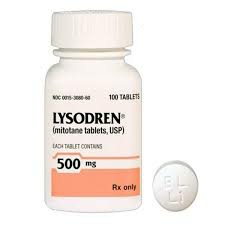
Mitotan resistance and individual differences are also important issues that require attention in clinical treatment. Some patients with ACC may develop drug resistance after long-term use of mitotane, manifested by continued tumor growth or difficulty in maintaining blood drug concentrations. At this time, combined chemotherapy (such as EDP regimen: etoposide, dexamethasone, cisplatin) is usually needed to enhance the anti-tumor effect. The side effects of mitotane mainly include gastrointestinal discomfort, drowsiness, neuropsychiatric symptoms, and abnormal liver function. Regular follow-up and dose adjustment are required to ensure safety.
In general, mitotane is the core drug in the treatment of ACC. It has a specific killing effect on adrenocortical cancer cells and can play an important role in postoperative auxiliary or advanced disease management. However, due to the heterogeneity of ACC and individual patient differences, it is not suitable for all cancers, nor can it simply be considered the most sensitive anti-cancer drug. In clinical application, the efficacy needs to be comprehensively evaluated based on the patient's condition, drug blood concentration, and combination regimen.
Reference materials:https://www.ncbi.nlm.nih.gov/pmc/articles/PMC6872173/
[ 免责声明 ] 本页面内容来自公开渠道(如FDA官网、Drugs官网、原研药厂官网等),仅供持有医疗专业资质的人员用于医学药学研究参考,不构成任何治疗建议或药品推荐。所涉药品可能未在中国大陆获批上市,不适用于中国境内销售和使用。如需治疗,请咨询正规医疗机构。本站不提供药品销售或代购服务。


