
.jpeg)
Guidance on the correct way to take pyrotinib/arini
Pyrotinib Maleate (Pyrotinib Maleate) is a targeted oral drug for HER2-positive breast cancer. Its correct administration is crucial to ensure efficacy and reduce adverse reactions. The recommended dose is 400 mg once a day, and should be taken orally within 30 minutes after a meal to reduce gastrointestinal irritation and improve drug absorption. Patients should try to take the drug at the same time every day to maintain stable blood drug concentration, thereby achieving the therapeutic effect of continuously inhibiting the HER2 signaling pathway. Pyrotinib adopts a continuous administration mode, with every 21 days as a treatment cycle. No additional discontinuation is required during this period, unless the doctor adjusts the dose according to individual conditions.
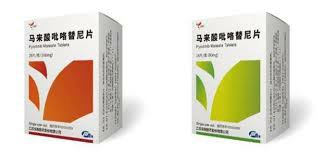
If the patient misses a dose of pyrotinib on a certain day, he or she does not need to take a missed dose and should take the next dose as originally planned. This management style is designed to avoid overdose and reduce gastrointestinal or systemic side effects while maintaining treatment continuity and efficacy. In clinical practice, regular follow-up and monitoring of blood routine, liver and kidney function, and symptom changes are also important to ensure the safety and efficacy of treatment. If patients experience obvious adverse reactions during medication, such as diarrhea, rash or abnormal liver function, they should contact their doctor in time for dose adjustment or supportive treatment if necessary.
The advantage of oral administration of pyrotinib is that it facilitates long-term maintenance therapy in the home environment, which is particularly important for patients with advanced breast cancer. Compared with intravenously administered monoclonal antibodies, oral small molecule drugs reduce outpatient infusion burden while increasing treatment flexibility. Correct medication habits and compliance with medical instructions can significantly improve the efficacy, reduce fluctuations in the course of the disease, and reduce the risk of drug tolerance.
In terms of treatment management, patients and their families should understand the importance of continuous medication and reasonably arrange medication time based on their daily life. Doctors will also provide personalized adjustment plans based on the patient's individual response and tolerance. If the adverse reactions are mild, the dose can be continued, while if the adverse reactions are moderate or above, a short-term discontinuation or dose reduction can be considered.
Reference materials:https://db.yaozh.com/instruct/51371.html
[ 免责声明 ] 本页面内容来自公开渠道(如FDA官网、Drugs官网、原研药厂官网等),仅供持有医疗专业资质的人员用于医学药学研究参考,不构成任何治疗建议或药品推荐。所涉药品可能未在中国大陆获批上市,不适用于中国境内销售和使用。如需治疗,请咨询正规医疗机构。本站不提供药品销售或代购服务。


