
.jpeg)
A comprehensive evaluation of the efficacy and side effects of Fulvestrant/Fuxit
Fulvestrant is a selective estrogen receptor antagonist (SERD) that plays an important role in the treatment of advanced or metastatic estrogen receptor-positive (ER+) breast cancer. It blocks estrogen signaling pathways and inhibits tumor cell proliferation and survival by binding to estrogen receptors and inducing receptor degradation. This mechanism is different from traditional aromatase inhibitors. Fulvestrant not only inhibits signal transduction, but also directly reduces the number of receptors and reduces the tumor's ability to grow dependent on estrogen. Its unique mode of action makes it an important option for patients with advanced breast cancer, especially those whose disease has progressed after previous endocrine therapy.
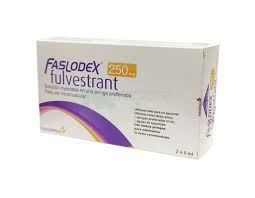
Clinical trials and real-world studies have shown that fulvestrant monotherapy can significantly extend progression-free survival and achieve a reduction in tumor burden in a certain proportion of patients. It is usually administered by intramuscular injection, with an initial dose of 500 mg once a month, and a supplementary dose on the 15th day to ensure that the blood concentration reaches the therapeutic level quickly. This dosing regimen can maintain sustained estrogen receptor suppression while reducing daily oral medication compliance problems, which is one of the important reasons for its popularity in clinical practice.
Although fulvestrant is generally well tolerated, there are still some side effects. The most common include pain at the injection site, mild nausea, joint pain, and mild fatigue. In addition, some patients may develop hematological changes, such as mild anemia or leukopenia, as well as mild abnormalities in liver function indicators. Although serious adverse events are rare, liver function, blood routine and symptom changes still need to be monitored regularly during long-term treatment. These side effects can usually be effectively controlled with appropriate dose adjustment, close follow-up, and supportive care.
Overall, fulvestrant, as a standard endocrine therapy for advanced breast cancer, has clear anti-tumor effects, controllable side effects, and is suitable for long-term maintenance treatment. When selecting a treatment plan, doctors usually consider the patient's past medication history, tumor burden, and tolerance assessment to formulate an individualized treatment plan.
Reference materials:https://go.drugbank.com/drugs/DB00947
[ 免责声明 ] 本页面内容来自公开渠道(如FDA官网、Drugs官网、原研药厂官网等),仅供持有医疗专业资质的人员用于医学药学研究参考,不构成任何治疗建议或药品推荐。所涉药品可能未在中国大陆获批上市,不适用于中国境内销售和使用。如需治疗,请咨询正规医疗机构。本站不提供药品销售或代购服务。


