
.jpeg)
Studying Elotuzumab treatment cycles
Elotuzumab is usually used in combination with immunomodulators such as Lenalidomide or Pomalidomide and Dexamethasone in the treatment of multiple myeloma (MM). Its treatment course is designed based on optimization of safety, efficacy and patient tolerance. In the regimen combined with lenalidomide and dexamethasone, evolizumab is injected intravenously once a week in a 28-day cycle for the first two cycles to ensure that effective blood concentrations are quickly reached, thereby enhancing the immune activation effect.
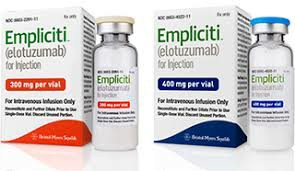
After completing the first two cycles, the treatment course is adjusted to once every two weeks until the disease progresses or unacceptable toxicity occurs. This extended interval strategy can reduce the impact of medication frequency on the patient's quality of life while ensuring efficacy.
In the regimen combined with pomalidomide and dexamethasone, the first two cycles also started with weekly intravenous injection10 mg/kg to quickly establish an immune response. Starting from cycle 3, the dose is adjusted to 20 mg/kg intravenously every four weeks to maintain efficacy and reduce the burden of long-term injection. This dose and cycle adjustment reflects the principles of individualization and flexibility in the design of evolizumab treatment, and combined with the chronic characteristics of multiple myeloma, enables treatment to effectively control the disease while minimizing the risk of long-term toxicity.
Overseas clinical studies and real-world data show that periodic injections of evolizumab combined with immunomodulators not only enhanceNK cell activity and improve anti-tumor effects, but are also closely related to patient tolerance and quality of life. The design of the treatment cycle takes into account the half-life of antibodies in the blood, immune system activation rhythms, and changes in multiple myeloma disease burden, resulting in a sustainable and scientific long-term treatment plan. In addition, for patients with high risk or who have failed previous multiple lines of treatment, flexible adjustment of treatment courses is a key strategy to maintain disease control and reduce toxicity.
Reference materials:https://go.drugbank.com/drugs/DB06317
[ 免责声明 ] 本页面内容来自公开渠道(如FDA官网、Drugs官网、原研药厂官网等),仅供持有医疗专业资质的人员用于医学药学研究参考,不构成任何治疗建议或药品推荐。所涉药品可能未在中国大陆获批上市,不适用于中国境内销售和使用。如需治疗,请咨询正规医疗机构。本站不提供药品销售或代购服务。


