
.jpeg)
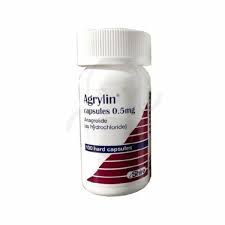
Detailed instructions and precautions for use of Anagrelide
1. Indications
Anagrelide is an oral thrombocytopenic agent mainly used to treat essential thrombocythemia (ET) and secondary thrombocythemia secondary to myeloproliferative neoplasms. Its core function is to reduce platelet count and reduce the risk of thrombosis, thereby preventing thrombotic complications, while improving symptoms caused by excessive platelets, including bleeding tendencies, headaches, chest pain, and other vascular system abnormalities. By regulating platelet production, anagrelide can help patients maintain the balance of the blood system, help reduce the incidence of thrombotic events and bleeding events, and provide long-term management solutions for high-risk patients.
2. Recommended dosage
1. Adult patients
The starting dose is usually 0.5 mg four times daily, or 1 mg twice daily. After taking it for one week, the dose can be gradually adjusted according to the platelet count, with each increase not exceeding 0.5 mg/day until the platelet level reaches the target range. The conventional maintenance dose is 1.5-3mg/day, the maximum dose can reach 10mg/day, and each single dose does not exceed 2.5mg. Dosage adjustments should be made under the guidance of a doctor, and hematological indicators should be closely monitored to ensure a balance between efficacy and safety.
2. Pediatric patients
The starting dose is0.5 mg/day. After one week, the dose can be increased every week, with each increase not exceeding 0.5 mg/day until the platelet count stabilizes within the normal range. The conventional maintenance dose is 1.5-3mg/day as for adults, the maximum dose is also 10mg/day, and each dose does not exceed 2.5mg. When using it in children, attention should be paid to drug tolerance and hematological parameters should be monitored regularly.
3. Patients with moderate liver function impairment
The recommended starting dose is0.5 mg/day, and should be carefully adjusted according to the patient's platelet response and liver function status to avoid increasing the burden on the liver.
3. Adverse reactions
Common adverse reactions of anagrelide involve multiple systems, including the nervous system, digestive system, cardiovascular system and skin reactions. The most commonly reported symptoms include headache, dizziness, weakness, back pain and paresthesia; cardiovascular symptoms include palpitations, tachycardia, and chest tightness; digestive system reactions may include nausea, vomiting, bloating, diarrhea, indigestion, loss of appetite, etc.; skin symptoms include rash, itching; other symptoms include fever, peripheral edema, dyspnea, or cough.
4. How to use
Anagrelide is an oral formulation that can be taken with or without food. It is recommended that patients take the medicine regularly according to the doctor's prescription and not increase or decrease the dosage at will to ensure stable drug efficacy and reduce the risk of side effects. Regular review of platelet count is an important part of drug management and helps to judge efficacy and adjust dosage.
5. Things to note
1. Cardiovascular toxicity: Long-term use of anagrelide may cause cardiac rhythm abnormalities, includingQT interval prolongation and ventricular tachycardia. A comprehensive cardiovascular evaluation, including an electrocardiogram, should be performed before starting treatment and monitored regularly during treatment. Patients with a history of cardiovascular disease need to exercise extreme caution.
2. Pulmonary hypertension: Before taking medication, the patient should be evaluated for underlying cardiopulmonary diseases, including pulmonary hypertension. If you have difficulty breathing or fatigue during use, you should seek medical attention immediately and undergo relevant examinations.
3. Bleeding risk: Anagrelide may increase bleeding tendency, especially when used in combination with anticoagulants or other drugs that affect platelet function. Patients should monitor bleeding conditions, including gum bleeding, skin ecchymosis, and gastrointestinal bleeding.
4. Contraindicated during lactation: Anagrelide is not recommended for lactating women to prevent the drug from affecting the baby's blood system through milk.
In short, as an effective drug for the treatment of thrombocytosis, anagrelide can significantly reduce the risk of thrombosis and improve related symptoms, but it is necessary to pay attention to cardiovascular, liver and bleeding-related risks, and carry out long-term management under the guidance of a doctor.
Reference materials:https://www.accessdata.fda.gov/drugsatfda_docs/label/2011/020333s017lbl.pdf
[ 免责声明 ] 本页面内容来自公开渠道(如FDA官网、Drugs官网、原研药厂官网等),仅供持有医疗专业资质的人员用于医学药学研究参考,不构成任何治疗建议或药品推荐。所涉药品可能未在中国大陆获批上市,不适用于中国境内销售和使用。如需治疗,请咨询正规医疗机构。本站不提供药品销售或代购服务。


