
.jpeg)
What precautions should be kept in mind when using bedaquiline/sneril?
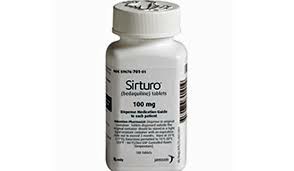
There are several important considerations that patients and doctors need to pay special attention to when using Bedaquiline to treat tuberculosis. The following are key issues patients should keep in mind when using bedaquiline.
1. Risk of QTc interval prolongation
Bedaquiline (may cause QTc interval prolongation, which means that the QT interval on the electrocardiogram will be longer, increasing the risk of arrhythmias. Clinical trial data show that when combined with other drugs that prolong the QTc interval, significant prolongation of the QTc interval may occur. To reduce this risk, pre-treatment, initial treatment Periodic ECG monitoring is required during treatment, during treatment, and when combined with other QTc prolongation drugs, especially in patient groups at high risk for QTc prolongation, such as patients with a history of torsade de pointes or congenital long QT syndrome. In addition, patients should monitor electrolyte levels, especially calcium, magnesium, and potassium, and supplement as needed.
If the patient develops clinically significant ventricular arrhythmias orQTc interval exceeds 500 milliseconds (confirmed by retesting), bedaquiline should be discontinued immediately. In addition, if syncope occurs, an electrocardiogram must be performed to rule out QTc prolongation.
2. Mortality imbalance in clinical trials
Cause of death in some placebo-controlled trials in adults failed to be directly related to sputum culture conversion, tuberculosis drug resistance, HIV status, or disease severity. In subsequent trials, the mortality rate in the bedaquiline treatment group was reduced, but the survival status of patients still needs to be paid close attention to, especially in the early stages of treatment.
3. Risk of bedaquiline resistance
There is a certain risk of drug resistance when bedaquiline is used to treat tuberculosis caused by drug-resistant Mycobacterium tuberculosis. To reduce the development of resistance to bedaquiline, it must be used in combination with TB drugs that are resistant to at least rifampicin and isoniazid. Bedaquiline should not be used alone, and treatment regimens should strictly follow your doctor's instructions to avoid the development of drug resistance in Mycobacterium tuberculosis.
4. Hepatotoxicity
In some clinical trials, patients taking bedaquiline have experienced higher rates of hepatotoxic events, particularly when used in combination with other tuberculosis treatments. Bedaquiline may cause hepatic insufficiency, especially with hepatotoxic drugs and in people who drink alcohol. In addition, hepatotoxicityIt has also been reported in pediatric patients 5 years and older.
Therefore, during treatment, patients should regularly check liver function, includingALT, AST, alkaline phosphatase and bilirubin and other indicators, especially at the beginning of treatment and monthly monitoring. If symptoms such as jaundice, anorexia, nausea, liver tenderness, etc. occur, the drug should be discontinued in time and further examination should be conducted. If the level of transaminase increases and is accompanied by an increase in bilirubin that exceeds two times the upper limit of normal, or if the level of transaminase increases exceeds eight times the upper limit of normal, the drug should be discontinued.
5. Drug interactions
The efficacy of bedaquiline may be affected by interactions with other medications. In particular, when coadministered with moderate or strong CYP3A4 inducers (such as rifamycins), the systemic exposure of bedaquiline may be reduced, thereby reducing its therapeutic efficacy. Therefore, avoid concomitant use with these drugs, especially rifampicin and similar drugs. On the other hand, the systemic exposure of bedaquiline may be increased when coadministered with CYP3A4 inhibitors, increasing the risk of adverse reactions. In this case, the patient's liver function and other relevant safety indicators should be closely monitored.
Reference materials:https://www.ema.europa.eu/en/documents/product-information/sirturo-epar-product-information_en.pdf
[ 免责声明 ] 本页面内容来自公开渠道(如FDA官网、Drugs官网、原研药厂官网等),仅供持有医疗专业资质的人员用于医学药学研究参考,不构成任何治疗建议或药品推荐。所涉药品可能未在中国大陆获批上市,不适用于中国境内销售和使用。如需治疗,请咨询正规医疗机构。本站不提供药品销售或代购服务。


