
.jpeg)
Analysis of whether crizotinib (Xalkori) is the last line of treatment for patients
Crizotinib is a tyrosine kinase inhibitor that targets ALK and ROS1-positive non-small cell lung cancer (NSCLC). In clinical practice, crizotinib is usually used in patients with detected ALK or ROS1 gene rearrangements, but not in all patients with advanced lung cancer. Its mechanism of action is to inhibit tumor cell proliferation and migration by blocking abnormally activated signaling pathways, thereby improving the patient's tumor burden and survival rate. Due to its clear targeting, crizotinib is usually used as a first-line or second-line treatment option in ALK/ROS1positive patients, rather than generally being the last-line option.
In clinical application, the efficacy of crizotinib has been confirmed by multiple randomized controlled trials. For patients with untreated ALK-positive advanced non-small cell lung cancer, crizotinib can significantly extend progression-free survival (PFS) and improve tumor response rates. It has also shown good efficacy in some patients receiving second-line or third-line treatment. However, with the emergence of a new generation of ALK inhibitors, such as alectinib, brigatinib, etc., these drugs perform better than crizotinib in terms of central nervous system penetration and control of resistant clones, so crizotinib is gradually used more as an early treatment option rather than as a last-line option.
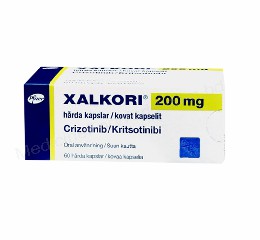
In addition, resistance to crizotinib is a key factor limiting its use as a last-line treatment. Some patients may develop CNS progression or drug resistance mutations after using it for a period of time, such as L1196M, G1269A, etc., which will reduce the efficacy of crizotinib. In these cases, physicians typically choose more potent or second- or third-generation ALK inhibitors to prolong disease control, with crizotinib having a limited role as a last-line monotherapy. Its application after drug resistance relies more on combination regimens or clinical trial opportunities rather than standardized last-line treatment strategies.
Taken together, crizotinib should not be considered a last-line treatment option for all patients. Its best application stage is in the initial treatment or early recurrence stage of patients diagnosed with ALK or ROS1 positive, and can significantly improve progression-free survival and quality of life. For patients who are resistant or have failed multiple lines of therapy, new generation ALK should be combined with ALKInhibitors, combination treatments or clinical trials can be used to design individualized plans. The correct choice of treatment timing and sequence is crucial to prolonging survival, controlling disease progression, and improving patients' quality of life.
Reference materials:https://pubmed.ncbi.nlm.nih.gov/25170012/
[ 免责声明 ] 本页面内容来自公开渠道(如FDA官网、Drugs官网、原研药厂官网等),仅供持有医疗专业资质的人员用于医学药学研究参考,不构成任何治疗建议或药品推荐。所涉药品可能未在中国大陆获批上市,不适用于中国境内销售和使用。如需治疗,请咨询正规医疗机构。本站不提供药品销售或代购服务。


