
.jpeg)
Safety analysis of combined use of talazoparib (Tazena) and enzalutamide
Talazoparib is a PARP inhibitor, mainly used for breast cancer patients carrying BRCA gene mutations. It blocks cancer cell DNA repair by inhibiting polyADP ribose polymerase activity and induces tumor cell apoptosis. Enzalutamide is an androgen receptor antagonist, mainly used for the treatment of prostate cancer, inhibiting tumor cell proliferation by blocking the androgen receptor signaling pathway. In recent years, some studies have tried to combine these two types of drugs with different mechanisms, hoping to enhance the efficacy while inhibiting tumors through multiple pathways, especially for patients with multiple genetic mutations or resistance to single drugs. However, due to differences in their mechanisms of action, combined use may lead to cumulative drug toxicity, so safety analysis is particularly important.
From a pharmacological mechanism, talazoparib blocks DNA single-strand break repair, causing cancer cells to accumulate DNA damage during the replication process, while enzalutamide prevents cancer cell proliferation by inhibiting androgen receptor signaling. Theoretically, the two have different action pathways, and their combined use may achieve synergistic anti-tumor effects. However, this synergy may also lead to accumulation of toxicity. For example, common adverse reactions of talazoparib include anemia, thrombocytopenia, leukopenia, fatigue and nausea, while enzalutamide may cause fatigue, bone and joint pain, elevated liver enzymes and blood pressure fluctuations. When used together, these adverse reactions may be superimposed, especially the increased risk of bone marrow suppression, which requires close monitoring of blood routine and liver function indicators.
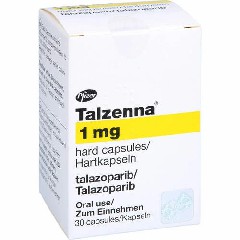
In clinical studies and early combination drug exploration, it was found that the overall tolerability of the combination of talazoparib and enzalutamide is controllable at low doses or after dose optimization, but individual differences are significant. Some patients develop moderate to severe anemia, neutropenia or thrombocytopenia during combination therapy, which needs to be relieved by temporarily discontinuing the drug or adjusting the dose. At the same time, combined medication may increase gastrointestinal discomfort, such as nausea, vomiting, loss of appetite, and increased fatigue, which will have a certain impact on the patient's quality of daily life. Therefore, the implementation of the combination program must be carried out under the guidance of a doctor, and an individualized treatment plan must be developed based on the patient's previous medication history, basic hematological status, and liver and kidney function.
In addition, potential drug interactions should be considered when using talazoparib and enzalutamide together. Enzalutamide is a CYP3A4 inducer, and talazoparib is partially metabolized by the liver in the body, which may affect the blood concentration of talazoparib, resulting in reduced efficacy or increased toxicity. Therefore, during the combined treatment process, doctors need to adjust the dosage according to the patient's metabolic status and follow up closely in the early stage of treatment to observe changes in hematological indicators, liver and kidney function, and clinical symptoms. For high-risk patients, a phased strategy of combined medication should be adopted when necessary, with the dose gradually increased and continuous monitoring performed at the same time.
Overall, the combination of talazoparib and enzalutamide has shown potential synergistic anti-tumor effects in theory and some clinical data, but there are also safety risks such as accumulation of hematological toxicity, gastrointestinal discomfort, and abnormal liver function. Combination therapy must be customized by experienced oncologists, who must strictly monitor blood routine and liver and kidney function, and adjust the dosage according to the patient's tolerance. Through standardized management and close follow-up, it is possible to maximize the synergistic effect of drugs while reducing the incidence of adverse reactions, providing high-risk patients with effective and safe treatment options. In the future, with the accumulation of more long-term follow-up and multi-center research data, the safety, dose optimization and patient selection criteria of this combination treatment plan will be clearer, providing an important reference for personalized precision tumor treatment.
Reference materials:https://pubmed.ncbi.nlm.nih.gov/39520722/
[ 免责声明 ] 本页面内容来自公开渠道(如FDA官网、Drugs官网、原研药厂官网等),仅供持有医疗专业资质的人员用于医学药学研究参考,不构成任何治疗建议或药品推荐。所涉药品可能未在中国大陆获批上市,不适用于中国境内销售和使用。如需治疗,请咨询正规医疗机构。本站不提供药品销售或代购服务。


