
.jpeg)
FDA approves new CDx pembrolizumab/lenvatinib for endometrial cancer
U.S. Food and Drug Administration (FDA)ApprovedOncoMate MSI The Dx Analysis System serves as a companion diagnostic to pembrolizumab plus lenvatinib in microsatellite stable (MSS), defined as non-microsatellite instability high (MSI-H) endometrial cancer, a critical step toward precision treatment strategies.
Using a fluorescence multiplex polymerase chain reaction-based mechanism, the test is designed to identify patients who may benefit from combination therapy by analyzingMSI status in tumor tissue. It requires an input of 1ng of DNA isolated from blood and tumor samples. With this minimal DNA requirement, turnaround times ranging from 10 hours to overnight, and high sensitivity and specificity (99.0% positive percent agreement; 91.7% negative percent agreement), this approval provides a new, convenient, validated tool to provide clinical decisions based on personalized molecular insights for each patient.
This approval highlights the critical role diagnostics play in matching the right patient with the right treatment at the right time. Committed to providing reliable tools to guide clinical decisions and help improve patient outcomes. Previously, the FDA approved the OncoMate MSI Dx analysis system as a diagnostic aid for Lynch syndrome in patients with colorectal cancer.
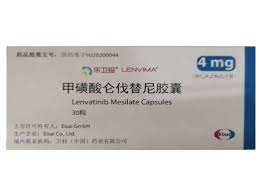
Following accelerated approval in September 2019, the FDA in July 2021 fully approved the combination of pembrolizumab and lenvatinib for the treatment of patients with non-MSI-H or mismatch repair-deficient advanced endometrial cancer who have progressed after prior systemic therapy, supported by positive results from the pivotal Phase 3 KEYNOTE-775/Study 309 trial (NCT03517449).
The KEYNOTE-775 trial is a randomized, open-label, multicenter trial designed to evaluate combination therapy with chemotherapy in advanced endometrial cancer. The study assessed co-primary endpoints of progression-free survival (PFS) and overall survival (OS); secondary endpoints included objective response rate (ORR), health-related quality of life, safety and pharmacokinetics.
This study recruited827 adult patients who had been previously treated with at least 1 platinum-based chemotherapy regimen in any setting. Patients were randomly assigned 1:1 to receive pembrolizumab galvatinib or physician's choice of chemotherapy (doxorubicin or paclitaxel). The study protocol called for 200 mg of pembrolizumab intravenously on day 1 of each 21-day cycle and 20 mg of lenvatinib orally once daily during each cycle.
The FDA's approval was based on median PFS (6.6 vs 3.8 months; HR, 0.60; 95% CI, 0.50-0.72; P<0.0001) and median OS (17.4 vs 12.0 months; HR, 0.68; 95% CI, 0.56-0.84; P=0.0001) in the combination arm. Additionally, the combination therapy produced an ORR of 30% (95% CI, 26%-36%) and a median duration of response (DOR) of 9.2 months, which was a 15% ORR (95% CI, 12%-19%) and a DOR of 5.7 months observed in patients who received chemotherapy.
At the time of approval, common treatment-emergent adverse events reported with the combination included hypertension (64.0%), hypothyroidism (57.4%), diarrhea (54.2%), nausea (49.5%), and decreased appetite (44.8%).
The latest efficacy and safety results published in 2023 showed sustained OS, PFS and ORR benefits across all subgroups combined by histology, prior treatment regimen and MMR status, with no new safety signals observed.
References: UpdatedNovember 12, 2025, https://www.targetedonc.com/view/fda-clears-new-cdx-for-pembrolizumab-lenvatinib-in-endometrial-carcinoma
[ 免责声明 ] 本页面内容来自公开渠道(如FDA官网、Drugs官网、原研药厂官网等),仅供持有医疗专业资质的人员用于医学药学研究参考,不构成任何治疗建议或药品推荐。所涉药品可能未在中国大陆获批上市,不适用于中国境内销售和使用。如需治疗,请咨询正规医疗机构。本站不提供药品销售或代购服务。


