
.jpeg)
Analysis of the therapeutic effect and clinical application of Brivaracetam
Brivaracetam/Brivaracetam is an anti-epileptic drug and a second-generation anticonvulsant drug. Since its approval by the FDA in 2016, brivaracetam has become an important drug for the treatment of partial seizures (including secondary generalized seizures) in adults and children with epilepsy. With its high therapeutic effect and relatively few side effects, it has gradually been widely used in clinical practice. Brivaracetam can not only be used to treat partial seizures alone, but can also be used in combination with other anti-epileptic drugs to help patients better control their seizures.
The main mechanism of action of Brivaracetam is by binding and regulating the neurotransmitter system, especially by binding to synaptic vesicle protein2A (SV2A), thereby reducing the abnormal excitability of neurons. This action allows brivaracetam to inhibit epileptic seizures caused by excessive firing of neurons. Unlike traditional anti-epileptic drugs, brivaracetam has a clear molecular target, which makes it highly selective in the treatment of epilepsy and reduces interference with other nervous system functions.
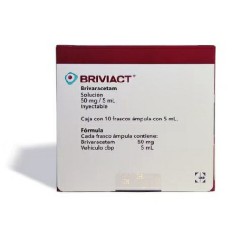
The main advantage of brivaracetam in the treatment of epilepsy is its ability to control partial seizures quickly and effectively, with effects usually occurring within a shorter period of time. Brivaracetam has demonstrated significant inhibitory effects on partial seizures in multiple clinical studies. For those patients for whom traditional anti-epileptic drugs (such as lamotrigine and carbamazepine) have unsatisfactory therapeutic effects, brivaracetam, as a second- or third-line treatment drug, can provide a more ideal effect.
An important study shows that brivaracetam can significantly reduce the frequency of epileptic seizures, particularly in patients with uncontrolled partial seizures. Brivaracetam, as monotherapy or in combination with other antiepileptic drugs, can effectively reduce the number of seizures and improve patients' quality of life. Brivaracetam has shown good efficacy for both adults and children aged 1 month and above. In patients treated with brivaracetam, a significant decrease in seizure frequency was clinically observed in most patients, and some patients even achieved complete seizure-free status.
Not only is brivaracetam effective in suppressing seizures, it is also thought to have low narcolepsy and cognitive side effects, making it better tolerated over longer periods of treatment. Especially for epilepsy patients who require long-term medication, brivaracetam can effectively control seizures without causing significant cognitive impairment or severe drowsiness.
Although brivaracetam has relatively few side effects, like other antiepileptic drugs, it can cause some adverse reactions. The most common side effects include drowsiness, fatigue, headache, nausea and dizziness. These side effects are usually mild to moderate, and as treatment continues, many patients will gradually adapt and the side effects will lessen. In addition, some patients may experience mood swings or mild behavioral changes while taking brivaracetam, but the incidence of these side effects is relatively low.
Because the drug metabolism of brivaracetam is mainly through the liver, caution is required when using it in patients with hepatic impairment, and the dose may need to be adjusted based on the patient's liver function. For those patients with liver function problems, doctors often recommend regular monitoring of liver function to ensure the safety of the medication.
Reference materials:https://www.ema.europa.eu/en/documents/product-information/briviact-epar-product-information_en.pdf
[ 免责声明 ] 本页面内容来自公开渠道(如FDA官网、Drugs官网、原研药厂官网等),仅供持有医疗专业资质的人员用于医学药学研究参考,不构成任何治疗建议或药品推荐。所涉药品可能未在中国大陆获批上市,不适用于中国境内销售和使用。如需治疗,请咨询正规医疗机构。本站不提供药品销售或代购服务。


