
.jpeg)
An in-depth analysis of the mechanism of action of Mavaceta/Mevantux
Mavacamten is a drug used to treat obstructive hypertrophic cardiomyopathy (HCM). As a selective and conformational reversible inhibitor of cardiac myosin, it improves cardiac function through a unique mechanism of action. HCM is a disease that causes cardiac hypertrophy due to excessive proliferation of cardiomyocytes, especially in the left ventricular outflow tract (LVOT), which often leads to heart failure and other complications. The mechanism of action of Mavaceta is through precise regulation of myosin in cardiomyocytes, reducing obstruction caused by excessive cross-bridge formation, and ultimately alleviating the symptoms of HCM patients.
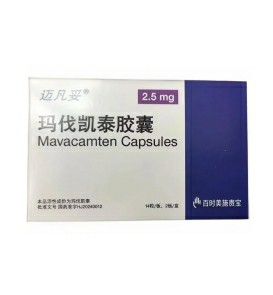
Mavakate acts on the allosteric sites of myosin to adjust the number of myosin heads that enter and can bind to actin, thereby effectively reducing the formation of cross bridges. The formation of myosin-actin cross-bridges is a key link in the pathogenesis of HCM. These cross-bridges are the main source of force generated during myocardial contraction and relaxation. In patients with HCM, excessive myocardial thickening and abnormal increase in cross-bridge formation can lead to diastolic and systolic dysfunction, especially left ventricular outflow tract obstruction. By selectively inhibiting myosin, Mavacate effectively reduces the excessive formation of cross-bridges, thereby reducing obstruction and improving the heart's ability to pump blood.
In addition, Mavacate avoids excessive energy expenditure by converting the myosin population into an energy-saving, recruitable, hyperrelaxed state. Through this mechanism, it improves cardiac filling pressure, reduces cardiac load, and helps restore normal cardiac function. This mechanism of action makes Mavacartide an effective treatment option for HCM, especially in patients with left ventricular outflow tract obstruction due to obstruction. By regulating the contractility of the heart muscle, Mavakate brings patients a better quality of life and reduces symptoms associated with HCM, such as dyspnea, chest pain and fatigue.
Reference materials:https://go.drugbank.com/drugs/DB14921
[ 免责声明 ] 本页面内容来自公开渠道(如FDA官网、Drugs官网、原研药厂官网等),仅供持有医疗专业资质的人员用于医学药学研究参考,不构成任何治疗建议或药品推荐。所涉药品可能未在中国大陆获批上市,不适用于中国境内销售和使用。如需治疗,请咨询正规医疗机构。本站不提供药品销售或代购服务。


