
.jpeg)
The latest drug instructions and key medication information for aprocitentan
Aprocitentan (Aprocitentan) is a dual endothelin receptor antagonist mainly used to treat patients with refractory hypertension. With the continuous deepening of clinical research, the latest drug instructions have been updated with indications, usage and dosage, safety and precautions, providing patients with clearer medication guidelines. Aprecitentan reduces vasoconstriction by blocking the effect of endothelin-1 on ETA and ETB receptors, thereby effectively lowering blood pressure. Its unique mechanism of action enables it to show good efficacy in patient groups for whom traditional antihypertensive treatments are ineffective, providing a new treatment option for patients with refractory hypertension.
According to the latest instructions, the main indication for aprecitentan is adult patients with refractory hypertension who cannot control their blood pressure despite combined treatment with multiple antihypertensive drugs. Patients should undergo a thorough evaluation before use, including blood pressure levels, liver and kidney function, and previous cardiovascular disease history. The instructions suggest that reversible hypertension factors should be ruled out before using aprecitentan, and it should be used in conjunction with existing antihypertensive treatment programs under the guidance of a doctor to ensure efficacy and safety. For special groups such as elderly patients or people with chronic kidney disease, doctors need to adjust the treatment plan according to the specific situation and closely monitor blood pressure changes and related indicators.
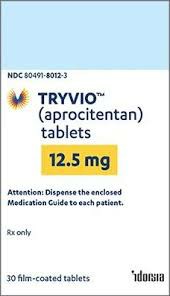
In terms of dosage, aprecitentan is usually taken as an oral tablet. The recommended initial dose in the instructions is 12.5 mg once a day, which can be adjusted to the maximum dose based on the patient's blood pressure control and tolerance. It is recommended that the medication should be taken at a fixed time to keep the blood concentration stable. It can be taken with food or on an empty stomach. Important reminder is that patients should swallow the tablet whole and not break it or crush it to avoid affecting drug absorption and efficacy. If you miss a dose, you should continue according to the original plan under the guidance of your doctor. Do not double the dose on your own to avoid hypotension or other adverse reactions.
In terms of safety, the instructions clarify the common adverse reactions that may occur with aprecitentan, including mild to moderate water and sodium retention, mild dizziness, fatigue, and occasional gastrointestinal discomfort. Water and sodium retention manifests as edema of the lower limbs or mild weight gain, which can be clinically managed through moderate diuresis, low-salt diet, or adjustment of medication regimen. For patients with abnormal liver and kidney function, blood routine, liver function and kidney function indicators need to be monitored regularly during use, so that abnormalities can be detected in a timely manner and measures can be taken. Although serious adverse reactions are rare, if symptoms such as difficulty breathing, obvious edema, or low blood pressure occur, you should seek medical attention immediately.
Aprecitentan's package insert also emphasizes drug interaction precautions. Since the drug is mainly metabolized by the liver, concomitant use of strong CYP3A inhibitors or inducers may affect drug concentration, thereby changing efficacy or increasing the risk of adverse reactions. Patients should inform their doctors of all prescription drugs, over-the-counter drugs and health care products they are taking during medication to avoid potential interactions. At the same time, pregnant women, lactating women and those planning pregnancy should use it with caution or disable it to avoid potential risks to the fetus or baby.
Care and monitoring in daily life are also important parts of the instructions. Patients should maintain a low-salt diet, exercise moderately, measure blood pressure regularly, and record changes in blood pressure so that doctors can evaluate the efficacy. While taking the medication, you should avoid stopping the medication or changing the dosage on your own, and follow the doctor's follow-up and examination arrangements. The instructions also suggest that for patients with multiple cardiovascular risks, blood pressure and cardiac function monitoring should be strengthened in the early stages of medication to ensure safety.
In general, the latest drug instructions provide detailed guidance on the indications, usage and dosage, adverse reactions, contraindications and precautions of aprecitentan. Through standardized use, regular monitoring and appropriate care, patients can maximize the effectiveness of medications while reducing potential risks. As a new option for the treatment of refractory hypertension, Aprecitentan has shown stable antihypertensive effects and good tolerability in clinical applications, providing a more personalized and safer treatment plan for patients with hypertension.
Reference materials:https://en.wikipedia.org/wiki/Aprocitentan
[ 免责声明 ] 本页面内容来自公开渠道(如FDA官网、Drugs官网、原研药厂官网等),仅供持有医疗专业资质的人员用于医学药学研究参考,不构成任何治疗建议或药品推荐。所涉药品可能未在中国大陆获批上市,不适用于中国境内销售和使用。如需治疗,请咨询正规医疗机构。本站不提供药品销售或代购服务。


