
.jpeg)
Guselkumab (Tenoya) Instructions Contents and Instructions for Use
Guselkumab (Guselkumab) is a fully human monoclonal antibody that mainly targets the p19 subunit of interleukin -23 (IL-23 ). By inhibiting the IL-23 signaling pathway, it can block the inflammatory response mediated by Th17 cells, thereby alleviating diseases caused by abnormal activation of the immune system, such as moderate to severe plaque psoriasis. Guselkumab has shown good efficacy and safety in multiple clinical studies and is one of the important choices for immunomodulatory treatment.
According to the instructions, guselkumab is mainly suitable for patients with moderate to severe plaque psoriasis, especially those who have failed to respond to traditional systemic treatments (such as methotrexate, cyclosporine) or phototherapy. The recommended initial dose is a subcutaneous injection of 100 mg once every 8 weeks. A booster dose can be added to the first dose according to clinical needs. Patients should have injections performed by professional medical institutions or perform subcutaneous injections by themselves after adequate training. The injection site can be rotated each time, and common injection sites include the abdomen, thigh, or outside of the upper arm to reduce local adverse reactions.
During use, patients should be aware of potential adverse reactions. The most common side effects include upper respiratory tract infection, injection site reactions (such as redness, swelling, pain), headache, and fatigue. Less common risks that warrant caution include serious infections (e.g., pneumonia, tuberculosis), allergic reactions, and opportunistic infections due to underlying immunosuppression. Before treatment, patients should be screened for tuberculosis, tested for hepatitis B virus, and evaluated for other underlying infections. During treatment, if symptoms such as fever, cough or difficulty breathing occur, you should seek medical treatment in time.
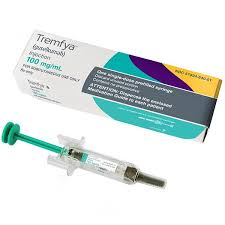
Drug interactions and medication contraindications should also be noted when using guselkumab. The risk of infection should be carefully assessed in patients receiving other immunosuppressive drugs. The safety of use by pregnant and lactating women has not yet been fully established, and the pros and cons must be weighed under the guidance of a professional doctor. Data on use in children and adolescent patients are limited, and unauthorized use is generally not recommended. In terms of storage, guselkumab should be kept refrigerated (2–8℃), avoid freezing, and fully return to room temperature before use to reduce injection discomfort.
In clinical practice, guselkumab can be used in combination with topical treatments to improve efficacy, but it is necessary to avoid overlapping with other systemic immunosuppressants to prevent excessive immunosuppression. Treatment effects usually begin within weeks of the initial injection, and long-term disease control can be achieved with continued medication. Patients should undergo regular follow-up visits during treatment to monitor the improvement of rash and laboratory indicators, such as blood routine, liver and kidney function, etc. Doctors will adjust the treatment course or dose based on efficacy and adverse reactions to achieve the best therapeutic effect.
Overall, guselkumab provides a new treatment option for patients with moderate to severe plaque psoriasis, especially those who have poor tolerance or poor response to traditional treatments. Rational use, following the instructions and guidance of professional doctors, and closely monitoring adverse reactions are the keys to ensuring efficacy and medication safety. With the accumulation of clinical experience and the release of more real-world data, guselkumab is expected to have wider application value in the treatment of psoriasis and other immune-mediated diseases.
Reference:https://en.wikipedia.org/wiki/Guselkumab
[ 免责声明 ] 本页面内容来自公开渠道(如FDA官网、Drugs官网、原研药厂官网等),仅供持有医疗专业资质的人员用于医学药学研究参考,不构成任何治疗建议或药品推荐。所涉药品可能未在中国大陆获批上市,不适用于中国境内销售和使用。如需治疗,请咨询正规医疗机构。本站不提供药品销售或代购服务。


