
.jpeg)
Pembrolizumab plus lenvatinib shows encouraging efficacy in uveal melanoma
Pembrolizumab-Keytruda and Lenvatinib/Lenvati based on results from the Phase 2 PLUME trial (NCT05282901) submitted in 2025 nib) elicited promising progression-free survival (PFS) results with a manageable safety profile in patients with HLA-A*02:01-negative and -positive uveal melanoma (ocular ).
The study met its primary endpoint in both patient cohorts, with an observed PFS rate of 31.8% (95% CI, 13.9%-54.9%) at week 27 in patients who were HLA-A*02:01 negative and not receiving tebentafusp-tebn-Kimmtrak. Among patients who were HLA-A*02:01-positive and pretreated with tebenforx, the PFS rate at 27 weeks was 60.7% (95% CI, 40.6%-78.5%).
In the Phase 3 study of tebenfosib, it was observed that treatment with tebenfosib may show improved activity compared with historical data. The combination of lenvatinib and pembrolizumab "demonstrated encouraging activity, particularly in patients previously treated with tebenforx, suggesting potential synergy between these treatments."
With regard to safety, the overall picture was consistent with previous trials involving pembrolizumab and lenvatinib. There were no treatment-related deaths. With lenvatinib, 76% of patients maintained the dose, 26% reduced the dose, and 4% discontinued the drug. With pembrolizumab, 22% of patients maintained their dose and 4% discontinued it.
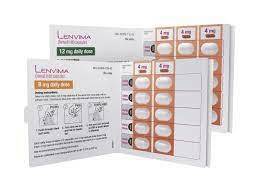
The most common adverse events related to any level of treatment were fatigue (81.8% in the tepentafsp cohort and 69% in the pretreatment cohort), hypertension (77.3% vs. 69%), diarrhea (45.5% vs. 65.5%), thyroid function hypotension (45.5% vs. 65.5%), arthralgia (40.9% vs. 58.6%), cytolytic hepatitis (40.9% vs. 58.6%), mucositis (45.5% vs. 41.4%), dysphonia (31.8% vs. 44.8%) and abdominal pain (27.3% vs. 44.8%.
While these findings are promising, due to the small sample size and single-arm design, biomarker analysis and real-world comparisons are ongoing to further refine patient selection.
What is the design of the PLUME study?
PLUME is an academic, single-center, single-arm, Phase 2 trial. A total of 51 patients who were naïve to immune checkpoint inhibitors were included in the study and divided into 2 cohorts based on HLA-A*02:01 - negative (n=22) and positive/pretreated with tebenforxide (n=29). Treatment consists of pembrolizumab 200 mg intravenously every 3 weeks for up to 35 cycles and lenvatinib 20 mg orally daily until progression. A CT scan of the chest, abdomen and pelvis and an MRI of the liver are required every 9 weeks. The primary endpoint was 27-week PFS (after 9 cycles).
What is the basic principle of PLUME research?
Uveal melanoma has unique biological characteristics compared to cutaneous melanoma. One-third of patients develop metastasis, and More than 90% of patients develop liver metastasis. The current median overall survival (OS) is approximately 20 months. Tebenforsi, a bispecific TCR-anti-CD3 fusion protein targeting gp100, was the first therapy to improve OS in patients with metastatic uveal melanoma; however, this benefit was limited to HLA-A*02:01-positive patients, accounting for approximately 45% of patients. Furthermore, checkpoint inhibitors like pembrolizumab have limited efficacy due to low mutational load and immunosuppressive microenvironment.
The basic principle of adding lenvatinib is that itsVEGFR/FGFR blockade can normalize blood vessels, reduce tumor-associated macrophages, and enhance T cell infiltration. The combination of lenvatinib and pembrolizumab shows promise in endometrial and renal cancer, with the combination being better than either treatment alone.
References: UpdatedOctober 19, 2025, https://www.targetedonc.com/view/pembrolizumab-plus-lenvatinib-shows-encouraging-efficacy-in-uveal-melanoma
[ 免责声明 ] 本页面内容来自公开渠道(如FDA官网、Drugs官网、原研药厂官网等),仅供持有医疗专业资质的人员用于医学药学研究参考,不构成任何治疗建议或药品推荐。所涉药品可能未在中国大陆获批上市,不适用于中国境内销售和使用。如需治疗,请咨询正规医疗机构。本站不提供药品销售或代购服务。


