
.jpeg)
What are the common side effects of guselkumab (Tenoya) and analysis of patient medication risk warnings
The most common side effects of guselkumab include upper respiratory tract infection, headache, injection site reaction (redness, swelling, pain), fatigue and joint pain. Upper respiratory tract infection mainly manifests as nasopharyngitis, sore throat and mild fever. It is generally mild to moderate and can be self-limited or use symptomatic treatment when necessary. Injection site reactions usually occur within hours to days after subcutaneous injection, including local redness, swelling, pain or itching. Most are mild and gradually reduce with increasing frequency of administration. Headaches and mild fatigue are also common, but usually do not interfere with daily life.
Hematologically and immunologically, guselkumab may increase the risk of infection. Although overall infection rates are lower than with some broad-spectrum immunosuppressants, patients still need to be vigilant for pneumonia, shingles, and urinary tract infections. Patients with a history of chronic or active infection should undergo a comprehensive evaluation before use, including tuberculosis screening and hepatitis virus testing. If persistent fever, chills, worsening cough, or frequent urination accompanied by pain occur during treatment, you should seek medical treatment immediately and consider suspending the medication under the guidance of a physician.
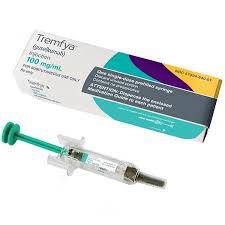
Patients using guselkumab should pay attention to the following medication tips: First, the injection dose and interval should be strictly followed as prescribed by the doctor, and avoid increasing or decreasing the dose or changing the frequency of administration on your own. Secondly, when symptoms of infection or discomfort occur, you should communicate with your doctor in time and do not stop or add medication on your own. Again, patients need to be cautious when receiving vaccines (especially live vaccines), and should inform their attending doctor in advance to ensure immunization safety. Finally, for pregnant or lactating women, the pros and cons need to be weighed under the evaluation of a doctor, and appropriate contraceptive measures should be taken or medication should be postponed.
Overall, guselkumab has good efficacy in the treatment of moderate to severe psoriasis and related arthritis, but attention still needs to be paid to injection reactions, infection risks, and immune-related adverse events. Patients should undergo individualized treatment under the guidance of professional doctors, follow up regularly, and monitor laboratory indicators and clinical symptoms to ensure medication safety and optimize treatment effects to the greatest extent. At the same time, maintaining a healthy lifestyle and reporting abnormalities in a timely manner are important guarantees for reducing medication risks and ensuring long-term efficacy.
Reference: https://en.wikipedia.org/wiki/Guselkumab
[ 免责声明 ] 本页面内容来自公开渠道(如FDA官网、Drugs官网、原研药厂官网等),仅供持有医疗专业资质的人员用于医学药学研究参考,不构成任何治疗建议或药品推荐。所涉药品可能未在中国大陆获批上市,不适用于中国境内销售和使用。如需治疗,请咨询正规医疗机构。本站不提供药品销售或代购服务。


