
.jpeg)
The efficacy and role of Omarigliptin and its clinical efficacy in treating diabetes
Omarigliptin is a long-acting dipeptidyl peptidase inhibitor Its biggest feature is that it only needs to be taken once a week. Compared with traditional DPP-4 inhibitors taken daily, such as sitagliptin, linagliptin, etc., it has obvious advantages in patient compliance and convenience of use. Its mechanism of action is mainly by inhibiting the DPP-4 enzyme in the body, thereby prolonging the endogenous GLP-1, GIP Equal incretin levels, make insulin secretion more physiologically rhythmic, inhibit abnormal rise in blood sugar after meals, and overall improve blood sugar control in 2 patients with type 2 diabetes. Ologliptin does not rely on overstimulation of pancreatic beta cells, so the risk of severe hypoglycemia is very low. It can also be used after adjusting the dose in patients with poor renal function, and it has good clinical safety performance.
From an efficacy perspective, the most prominent effect of ologliptin is lowering fasting blood sugar and narrowing the fluctuation range of postprandial blood sugar. Clinical studies have shown that the drug can significantly reduce HbA1c levels, usually reducing glycated hemoglobin by about 0.7%~1.0% Around DPP-4 inhibitors. Because of its extremely long half-life, it can maintain a stable blood concentration once a week, reducing missed doses and making blood sugar control more stable. In addition, because ologliptin does not increase weight and can even keep weight stable in some patients, it is suitable for obese patients with type 2 diabetes and will not cause weight gain or hypoglycemia like sulfonylureas.
Ologliptin has shown good tolerability and high safety in clinical application in the treatment of 2 type diabetes. A large number of studies have shown that this drug has little impact on liver and kidney function, will not significantly increase cardiovascular risks, and will not increase the risk of edema, fractures or infections. Therefore, it is a better choice for many elderly patients or patients with coexisting diseases. In clinical practice, it is often used as a single drug to treat patients with mild to moderate elevation of blood sugar, or in combination with metformin, SGLT-2 inhibitors, insulin, etc., to achieve a higher overall blood sugar target rate and fewer side effects. For patients with renal insufficiency, they only need to adjust the dose appropriately and can continue to use it, unlike some antidiabetic drugs that require discontinuation or strict restrictions.
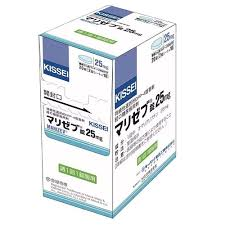
Another important advantage of ologliptin is its ability to stabilize postprandial blood sugar control. Because2Patients with type 2 diabetes often experience excessive postprandial blood glucose spikes, which significantly increase cardiovascular risk and microvascular complications in the long term, such as retinal, neurological, and renal lesions. Ologliptin maintains incretin levels, brings insulin release closer to the circadian rhythm, and inhibits glucagon secretion, thereby reducing postprandial blood sugar spikes. Therefore, this drug is more suitable for patients with obvious blood sugar fluctuations and poor post-meal blood sugar control, especially office workers with irregular meals and a fast-paced life. The once-weekly dosing regimen also makes it easier for such patients to adhere to real-world use, maintaining long-term and stable treatment effects.
In terms of actual efficacy, real-world studies have shown that the hypoglycemic effect of ologliptin is not only stable, but also highly sustained. Even in patients who have been using it for several months to more than a year, HbA1c can still maintain a significant decrease, and most patients will not experience problems such as hypoglycemia, weight fluctuations, or gastrointestinal discomfort. For patients with newly diagnosed type 2 diabetes, ologliptin can be used as a single-drug initial treatment; for patients whose long-term blood sugar does not reach the standard and has received other treatment options, adding it to combination therapy can further improve overall blood sugar management. In addition, because it does not affect the function of pancreatic beta cells and does not accelerate pancreatic islet failure, it is highly safe under long-term use and is suitable for people with chronic diseases who need long-term stable control of blood sugar.
Overall, Omarigliptin (Omarigliptin) occupies an important position in the medication regimen for type 2 diabetes due to its once-a-week convenience, reliable hypoglycemic effect, low risk of adverse reactions, and small impact on body weight. It is especially suitable for patients with poor compliance, elderly people with diabetes, people with large blood sugar fluctuations or poor postprandial blood sugar control, and chronic patients who need long-term stable blood sugar management. Although its hypoglycemic effect is not as significant as GLP-1 receptor agonists or SGLT-2 inhibitors, it continues to maintain a high clinical usage rate worldwide due to its overall safety and tolerability. For most diabetic patients who require long-term treatment, ologliptin is a "stable, gentle, safe and convenient" anti-diabetic option.
Reference materials:https://zh.wikipedia.org/zh-hans/%E5%A5%A5%E6%A0%BC%E5%88%97%E6%B1%80
[ 免责声明 ] 本页面内容来自公开渠道(如FDA官网、Drugs官网、原研药厂官网等),仅供持有医疗专业资质的人员用于医学药学研究参考,不构成任何治疗建议或药品推荐。所涉药品可能未在中国大陆获批上市,不适用于中国境内销售和使用。如需治疗,请咨询正规医疗机构。本站不提供药品销售或代购服务。


