
.jpeg)
Comparative analysis of the weight loss effects of tilpotide/tirsiparatide (Mufenda) and semaglutide
Tirzepatide and semaglutide are both weight loss drugs that have attracted much attention internationally, but they have obvious differences in their mechanisms of action, weight loss range, adaptability to the population, and clinical experience. Tilpotide is a GIP/GLP-1 dual receptor agonist, which means that it simultaneously activates two important hormone pathways related to metabolism, appetite, and insulin regulation; while semaglutide is a single GLP-1 receptor agonist. The difference between dual targets and single targets leads to a quantifiable gap in clinical performance between the two - multiple international phase III trials have shown that tilpotide can generally bring about greater weight loss in the same treatment cycle, especially at high doses, with more significant weight loss potential.
Judging from the weight loss data, tilpotide has very outstanding advantages in weight loss. International SURMOUNT-1 and other studies have shown that the average weight loss of tilpotide 10mg–15mg can reach 17%–22%, and some participants even exceeded 25%. In comparison, the average weight loss for semaglutide 2.4mg (Wegovy) in the STEP series was approximately 12%–15%. This comparison means that, as a metabolism-enhancing drug, tilpotide has an overall greater weight loss than semaglutide, and its effect is particularly obvious in people with high BMI . However, reaching the optimal dose of tilpotide usually requires a longer titration period, and some people may experience gastrointestinal discomfort during the dose escalation phase, so tolerability needs to be taken into consideration when selecting.
In addition to the extent of weight loss, the two drugs also have different added values in terms of glycemic control and metabolic improvement. Tilpotide is originally a diabetes drug, and its ability to improve insulin sensitivity and blood sugar control is better than semaglutide. Therefore, for patients with both obesity and diabetes, the comprehensive metabolic benefit of tilpotide is more obvious. Although semaglutide can also improve blood sugar, its main design direction is weight management and appetite control mechanisms. Therefore, the weight loss experience is relatively stable. Some people have slightly mild gastrointestinal reactions, and it is more friendly to people who are intolerant to dual agonists. Both can significantly improve insulin resistance, reduce appetite, and delay gastric emptying, but the dual mechanism of tilpotide is stronger in metabolic regulation.
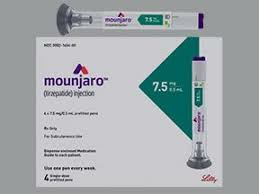
In terms of safety, gastrointestinal adverse reactions are the most common for both tilpotide and semaglutide, including nausea, decreased appetite, fullness, mild diarrhea, etc., but there are still slight differences between the two. Because tilpotide activates the GIP pathway and further enhances the metabolic effect on the basis of GLP-1 , it is more likely to have a strong response phase during the dose escalation period, especially 10mg–15mg is more obvious; the gastrointestinal reactions of semaglutide are relatively regular and usually gradually reduce over time. It is worth noting that neither drug is recommended for use by patients with risk of pancreatitis, family history of medullary thyroid cancer, severe gastrointestinal motility disorders, etc. These contraindications are common limitations of both drugs.
In terms of use experience, tilpotide reduces weight faster, and some patients can see significant weight changes after three months of use, while semaglutide has a relatively stable downward trend and is suitable for people who prefer mild progression. In addition, the risk of rebound after drug discontinuation is also similar between the two. However, because the average weight loss is greater with tilpotide, if daily management is insufficient after drug discontinuation, the rebound rate may be more obvious in absolute terms. Therefore, it should be emphasized that no matter which drug is used, long-term management, diet control, and increased activity are key steps to maintain weight loss results. The drug itself cannot replace lifestyle intervention.
In general, from the perspective of gravity reduction , tilpotide is significantly stronger than semaglutide; from the perspective of tolerability, stability, and smoothness of gastrointestinal reactions , semaglutide is more suitable for most first-time users. For people with both type 2 diabetes and obesity, tilpotide has greater advantages in comprehensive metabolic improvement; if the main goal is weight control and there are concerns about gastrointestinal side effects, semaglutide is still a more mature and experienced choice. The two drugs have clear advantages. Choosing which one is more suitable requires a comprehensive judgment based on physical condition, tolerance, long-term goals and doctor's advice.
Reference materials:https://www.ncbi.nlm.nih.gov/books/NBK585056/
[ 免责声明 ] 本页面内容来自公开渠道(如FDA官网、Drugs官网、原研药厂官网等),仅供持有医疗专业资质的人员用于医学药学研究参考,不构成任何治疗建议或药品推荐。所涉药品可能未在中国大陆获批上市,不适用于中国境内销售和使用。如需治疗,请咨询正规医疗机构。本站不提供药品销售或代购服务。


