
.jpeg)
What are the contraindications of aprocitentan and who is not suitable for its use?
As a dual-receptor endothelin receptor antagonist, aprocitentan mainly reduces vasoconstriction and improves blood pressure by blocking ETA and ETB receptors. Therefore, it has strict contraindications and usage restrictions. One of the most important contraindications is in patients with severe hepatic impairment. Since aprecitentan is mainly metabolized by the liver, patients with significantly impaired liver function may accumulate the drug, leading to excessive blood concentration and causing adverse reactions such as severe hypotension, water and sodium retention, and elevated liver enzymes. Therefore, clinical regulations usually clearly stipulate that people with moderate to severe liver damage should not use this drug. Even those with mild liver function abnormalities must be used after careful evaluation under close monitoring.
The second category of inapplicable groups includes pregnant and lactating women. Endothelin receptor antagonist drugs generally have potential embryotoxicity and teratogenic risks, and relevant foreign pharmacological studies also suggest that they may affect fetal vascular development. Therefore, pregnant women are prohibited from using aprecitentan throughout pregnancy. If women planning to become pregnant plan to receive treatment, they must confirm their non-pregnancy status before use and take effective contraceptive measures during the entire treatment process. In addition, there is not enough evidence whether the drug will pass into breast milk, so nursing mothers should also avoid using it to prevent it from affecting the development of their babies.
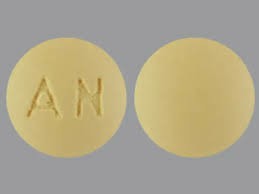
The third category of contraindications and high-risk groups involves patients with hypotension, volume depletion or severe heart failure. Aprecitentan has antihypertensive effects. If the patient has low blood pressure (such as systolic blood pressure <100mmHg), is dehydrated or has severe cardiac insufficiency, taking the drug at this time may further lower blood pressure, causing dizziness, fainting or even insufficient perfusion of vital organs. At the same time, this drug may cause body fluid retention, so it should be used with caution or avoided in patients with obvious edema and uncontrolled heart failure to avoid aggravating the condition. This group of people must closely monitor changes in blood pressure, weight and cardiac function when they really need to use it.
Finally, it should be used with caution in patients taking strong CYP3A4 inhibitors or inducers, as the metabolism of aprecitentan is highly dependent on CYP3A4. Some drugs, such as ketoconazole and clarithromycin, can significantly increase blood drug concentrations, while inducers such as rifampicin can significantly reduce drug efficacy, both of which may bring adverse clinical consequences. In addition, people who are allergic to the ingredients of this product are also absolutely contraindicated. Taken together, although aprecitentan is a new type of antihypertensive drug, a comprehensive evaluation should be conducted based on the patient's underlying disease, liver and kidney function, pregnancy status, and combined medication before use to ensure its safety and effectiveness.
Reference materials:https://www.accessdata.fda.gov/drugsatfda_docs/label/2024/217686s000lbl.pdf
[ 免责声明 ] 本页面内容来自公开渠道(如FDA官网、Drugs官网、原研药厂官网等),仅供持有医疗专业资质的人员用于医学药学研究参考,不构成任何治疗建议或药品推荐。所涉药品可能未在中国大陆获批上市,不适用于中国境内销售和使用。如需治疗,请咨询正规医疗机构。本站不提供药品销售或代购服务。


