
.jpeg)
Comprehensive analysis of the target mechanism and principle of action of crizotinib (Xalkori)
Crizotinib is a small molecule multi-target tyrosine kinase inhibitor. Its core mechanism of action mainly targets key driver genes such as ALK, ROS1 and MET. It was originally developed in the MET inhibitor project, but during the research process it was found to have a significant inhibitory effect on ALK fusion mutations, so it quickly became an important drug for the targeted treatment of non-small cell lung cancer (NSCLC). Its target characteristics determine that it is not only suitable for ALK positive lung cancer, but also active against ROS1 fusion and partial MET abnormalities. It is a representative drug for early targeted precision therapy.
In inhibiting ALK (anaplastic lymphoma kinase), crizotinib can block abnormal kinase signals in tumor cells, thereby inhibiting cell proliferation. ALK Fusion genes such as EML4-ALK result in sustained activation of growth-promoting signals that allow cancer cells to divide uncontrollably. Crizotinib binds to the ALK kinase domain and blocks its phosphorylation process, arresting the cancer cell cycle and inducing apoptosis. Since patients with ALK positive lung cancer are usually younger and have less history of smoking, crizotinib quickly improved the treatment landscape for this subgroup after its launch.
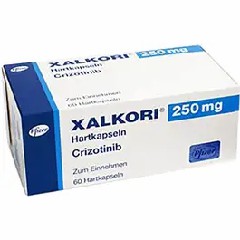
For ROS1 fusion gene, crizotinib also has strong inhibitory ability. ROS1 and ALK belong to the same family of tyrosine kinases and have highly similar structures, allowing crizotinib to use the same binding mode to block its downstream signaling pathways. This mechanism allows ROS1 positive patients to also achieve significant tumor shrinkage and longer progression-free survival, making it one of the standard treatment options for this type of patients. It is worth noting that crizotinib's inhibition of ROS1 is relatively durable, so it is often used in clinical practice in patients with relatively stable conditions.
In terms of inhibiting the MET pathway, crizotinib mainly targets the MET exon 14Jump mutation (METex14). Such genetic changes can cause tumor cells to evade degradation, allowing MET kinase to remain active. Crizotinib helps control tumor growth by blocking MET signaling, especially providing therapeutic opportunities in some patients who are insensitive to traditional chemotherapy. Overall, crizotinib simultaneously inhibits three major driver sites: ALK, ROS1, and MET, making it an important drug for multi-target precision therapy and bringing significant survival benefits to lung cancer patients with positive driver genes.
Reference materials:https://pubmed.ncbi.nlm.nih.gov/25170012/
[ 免责声明 ] 本页面内容来自公开渠道(如FDA官网、Drugs官网、原研药厂官网等),仅供持有医疗专业资质的人员用于医学药学研究参考,不构成任何治疗建议或药品推荐。所涉药品可能未在中国大陆获批上市,不适用于中国境内销售和使用。如需治疗,请咨询正规医疗机构。本站不提供药品销售或代购服务。


