
.jpeg)
How effective is tucatinib/tucatinib in treating brain metastases?
Tucatinib/Tucatinib has demonstrated its unique clinical advantages in the treatment of brain metastases in patients with HER2-positive breast cancer. Brain metastasis is one of the most common metastasis pathways of HER2-positive breast cancer, and it is also a major problem in the treatment of this disease. Although traditional chemotherapy and targeted therapy have limited effects on brain metastases, tucatinib can effectively cross the blood-brain barrier and directly act on tumor cells in the brain.
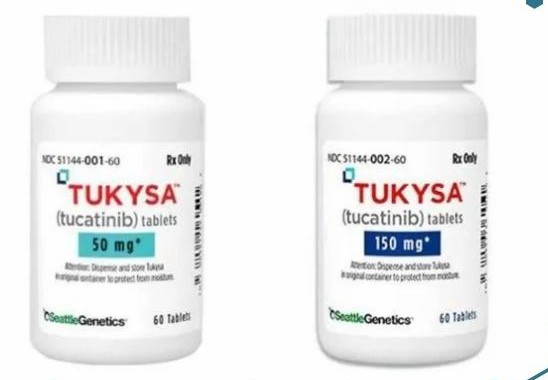
In a major study, tucatinib was extensively clinically evaluated in combination with trastuzumab and capecitabine in patients with advanced or metastatic HER2-positive breast cancer. The results showed that the average survival time of patients in the tucatinib group without disease progression was significantly longer than that in the placebo group, which was 7.8 months, while the median survival time in the placebo group was only 5.6 months. Overall, approximately 41% of patients treated with tucatinib had a significant response to the treatment, compared with only 23% of patients in the placebo group. Especially in the subgroup of patients with brain metastases, tucatinib also demonstrated a good therapeutic response, and the stability and durability of its efficacy were significantly confirmed.
The persistence of this effect means that for those patients with HER2-positive breast cancer who have developed brain metastases, tucatinib can not only prolong survival but also improve the patient's quality of life. For those unresectable brain metastases, tucatinib provides a breakthrough treatment option and marks a new direction in the treatment of HER2-positive breast cancer.
In general, tucatinib, as a targeted therapy forHER2-positive breast cancer and colorectal cancer, is particularly effective in patients with brain metastases and has become an important drug that changes patients' survival expectations. Although the drug has not yet been launched in the Chinese market and has been included in medical insurance, as international research continues to advance and drug approval speeds up, tucatinib is expected to bring good news to more patients in the future.
Reference materials:https://www.ema.europa.eu/en/medicines/human/EPAR/tukysa
[ 免责声明 ] 本页面内容来自公开渠道(如FDA官网、Drugs官网、原研药厂官网等),仅供持有医疗专业资质的人员用于医学药学研究参考,不构成任何治疗建议或药品推荐。所涉药品可能未在中国大陆获批上市,不适用于中国境内销售和使用。如需治疗,请咨询正规医疗机构。本站不提供药品销售或代购服务。


