
.jpeg)
Comparison of the efficacy of baricitinib, ritexitinib, and druxolitinib in the treatment of alopecia areata AA
Alopecia areataaffects about2% of the population, manifesting as patchy alopecia areata, total alopecia, or total alopecia. Severe AA is associated with severe psychological, financial, and physical burdens. Conventional treatments, including corticosteroids, immunomodulators, minoxidil, and systemic immunosuppressants, often produce incomplete responses and frequent relapses.
The identification of the JAK-STAT pathway as a core mediator of AA pathogenesis has led to the development of targeted therapies. Oral JAKIs - Baricitinib (JAK1/JAK2), ritlectinib (ritlectinib) (JAK3/TE C family) and deuruxolitinib (JAK1/JAK2)—now approved in the United States, Europe, and the United Kingdom for the treatment of severe AA, providing the first disease-specific systemic therapies. However, randomized trials comparing these agents directly are lacking. As a recent meta-analysis noted, "Given its relatively new introduction and the lack of direct non-inferiority RCTs, indirect statistical methods are needed to provide treatment stratification for severe AA.
1. Method
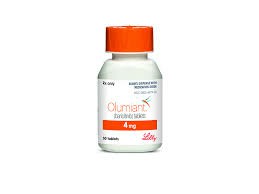
Systematic reviews of randomized controlled trials were conducted in accordance withPRISMA 2020 guidelines. Eligible studies enrolled adults with severe AA (≥50% scalp alopecia) and evaluated outcomes at week 24 of an FDA-, EMA-, or MHRA-approved oral JAKI. Interventions included baricitinib 2 and 4 mg once daily, ritexitinib 50 mg orally once daily, and druxolitinib 8 mg twice daily. The main network meta-analysis (NMA) included only placebo-controlled trials. Bayesian NMA estimated odds ratios (OR) with 95% confidence intervals for the SALT ≤10 and ≤20 endpoints.
2. Results
Included7 randomized controlled trials: BRAVE-AA1/AA2 (baricitinib), ALLEGRO Phase 2a/2b-3 (ritixitinib) and THRIVE-AA/AA1/AA2 (drusolitinib), involving more than more than 3,000 adults with severe AA. Baseline SALT scores ranged from 84 to 93, which is highly representative of generalized alopecia. Overall, the risk of bias was low, but methodological reporting for BRAVE-AA1 was limited.
Bayesian NMA showed that in patients with SALT ≤10, 8 mg of druxolitinib twice daily was more effective than 2 mg of baricitinib (OR=0.36; 95% CrI :0.46-19.94), the trend was more favorable (OR=0.45; 95%CrI: 0.16-1.00) compared with 4 mg of baricitinib. Compared with ritinib 50 mg, the differences were not significant, but there was always a preference for druxolitinib. ML-NMR adjusted analysis confirmed the robustness of these findings across covariates, with ORs remaining favorable for druxolitinib.
UnauditedMAIC analysis reinforces the efficacy advantage of druxolitinib. In the fully adjusted model with SALT ≤ 10, the ORs were 13.42 (95% CI: 4.61-40.57) compared with baricitinib 2 mg and 13.33 (95% CI: 5.66-34.70) compared with rituxitinib 50 mg. The SUCRA ranking shows that when SALT is ≤10% and ≤20, druxolitinib is the highest, baricitinib 4mg intermediate, baricitinib 2mg and ritexitinib 50mg are the lowest.
3. Discussion
The analysis established a provisional hierarchy among approved oral JAKIs for severe AA, unanimously highlighting 8 mg of druxolitinib as the most effective drug at week 24. This study fills a critical evidence gap by providing a focused, methodologically rigorous indirect comparison that establishes druxolitinib 8 mg BID as the most effective approved treatment for severe AA.
Limitations include reliance on indirect comparisons, short follow-up, and potential residual confounding despiteMAIC adjustment. Safety considerations remain critical, as all oral JAKIs carry black box warnings for infection, malignancy, cardiovascular events, and thrombosis. The BID dose of druxolitinib may affect compliance compared with the QD regimen.
4. Conclusion
Bayesian NMA, ML-NMR and MAIC analyzes show that among the oral JAKIs approved by the FDA, EMA and MHRA, druxolitinib at 8 mg every two doses has the highest likelihood of achieving clinically significant hair regrowth in severe AA at 24 weeks. These findings provide timely guidance for evidence-based treatment selection while emphasizing individualized considerations for safety, tolerability, and ease of administration. Future studies should focus on long-term efficacy, safety, and direct head-to-head comparisons to confirm these results.
Reference: Updated withDecember 1, 2025,https://www.dermatologytimes.com/view/baricitinib-ritlecitinib-deuruxolitinib-comparative-efficacy-in-aa
[ 免责声明 ] 本页面内容来自公开渠道(如FDA官网、Drugs官网、原研药厂官网等),仅供持有医疗专业资质的人员用于医学药学研究参考,不构成任何治疗建议或药品推荐。所涉药品可能未在中国大陆获批上市,不适用于中国境内销售和使用。如需治疗,请咨询正规医疗机构。本站不提供药品销售或代购服务。


