
.jpeg)
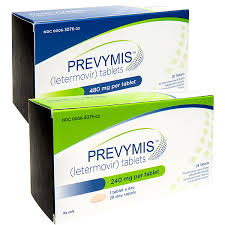
Analysis of common side effects and clinical safety of Letermovir (Premin)
Letermovir is a new antiviral drug mainly used to prevent cytomegalovirus (CMV) infection in bone marrow transplant patients. Its mechanism of action is different from traditional antiviral drugs. It inhibits the DNA terminal enzyme complex of CMV replication, thereby blocking virus maturation and spread. Compared with other anti-CMV drugs, letermovir has a lower risk of nephrotoxicity and myelosuppression and is therefore widely used in high-risk patients after bone marrow transplantation. However, despite its good safety profile, certain side effects may still occur during clinical use, which requires the joint attention of medical staff and patients.
Clinical studies and post-marketing observations have shown that common side effects of letermovir include nausea, vomiting, diarrhea, constipation and headache. Most of these symptoms are mild to moderate and can be relieved by adjusting the medication time, using it before and after meals, and symptomatic treatment. For example, for nausea and vomiting, medicine can be taken after meals and combined with anti-nausea drugs; for mild diarrhea, the diet structure can be appropriately adjusted and water intake can be increased. Usually, these mild to moderate side effects resolve on their own after a few days to a week or two of taking the medication.
In terms of hematology, letermovir has relatively few adverse effects. Compared with traditional ganciclovir or valganciclovir, its bone marrow suppression effect is significantly reduced, and the incidence of leukopenia and thrombocytopenia is lower. This is particularly important for bone marrow transplant patients, who are inherently at higher hematologic risk. However, mild thrombocytopenia or mild anemia may still occur in individual patients, so regular blood routine monitoring is still required during treatment to ensure timely detection of abnormalities.
In terms of liver function, a small number of patients may experience elevated liver enzymes during the use of letermovir, such as ALT and AST mild increases. Most of these changes are reversible and usually return to normal after discontinuation of the drug or dose adjustment. It is clinically recommended to monitor liver function regularly before medication and during treatment, especially when other drugs that may affect the liver are used in combination, caution should be observed to avoid liver damage caused by drug-drug interactions.
Drug interactions with letermovir mainly involve theCYP3A enzyme system. When used concurrently with strong CYP3A inhibitors or inducers, drug blood concentrations may increase or decrease, affecting efficacy and safety. Therefore, for bone marrow transplant patients or patients on multi-drug combination therapy, doctors need to carefully evaluate all drugs the patient is taking and adjust the dose of letermovir or choose other treatment options according to the situation to reduce the risk of adverse reactions.
Overall, letermovir is effective in preventingCMVIt is relatively safe in infections. Common side effects are mostly mild, moderate and controllable, and serious adverse reactions are rare. Through regular monitoring of blood routine, liver function and drug interactions, combined with individualized medication plans, patient safety can be ensured to the greatest extent. In the high-risk group of patients with CMV after bone marrow transplantation, letermovir provides an effective and well-tolerated preventive method, provides a new option for clinical anti-CMV treatment, and significantly improves patients' quality of life and treatment compliance.
Reference:https://en.wikipedia.org/wiki/Letermovir
[ 免责声明 ] 本页面内容来自公开渠道(如FDA官网、Drugs官网、原研药厂官网等),仅供持有医疗专业资质的人员用于医学药学研究参考,不构成任何治疗建议或药品推荐。所涉药品可能未在中国大陆获批上市,不适用于中国境内销售和使用。如需治疗,请咨询正规医疗机构。本站不提供药品销售或代购服务。


