
.jpeg)
Pacritinib clinical efficacy observation, patient feedback and indication summary and analysis
Pacritinib is a selective JAK2 inhibitor mainly used to treat patients with primary myelofibrosis, polycythemia vera and secondary myelofibrosis. Its pharmacological mechanism is to inhibit abnormal cell proliferation and excessive activation of cytokines by inhibiting the JAK2 signaling pathway, thereby improving bone marrow dysfunction and pathological changes in the blood system. Clinical studies have shown that pacitinib also has good efficacy in patients with myelofibrosis accompanied by thrombocytopenia, which gives it certain unique advantages among existing JAK inhibitors.
In multiple clinical trials, pacitinib has shown significant relief from splenomegaly. After taking pacitinib for several weeks to several months, most patients can observe a significant reduction in spleen volume, accompanied by improvement in symptoms, such as reduced abdominal discomfort, improved digestive function, and recovery of physical strength. At the same time, for patients with low platelets, pacitinib shows a lower risk of platelet inhibition than other JAK inhibitors, and some patients even have increased platelet levels, which is an important therapeutic advantage for myelofibrosis patients with clinical thrombocytopenia.
Patient feedback shows that pacitinib is equally effective in relieving systemic symptoms. Many patients report significant improvements in myelofibrosis-related symptoms such as fatigue, night sweats, and weight loss after taking the drug. Long-term follow-up data show that symptom relief can last from months to a year or even longer, providing patients with significant improvements in their quality of life. At the same time, some patients may experience mild gastrointestinal discomfort, such as nausea, diarrhea, etc., in the early stages of taking it. However, through individualized dose adjustment and reasonable dietary management, most symptoms can be alleviated.
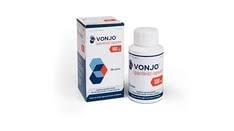
In terms of indications, pacitinib is mainly targeted at adult patients with myelofibrosis, especially high-risk patients with platelets lower than 50×10^9/L. In addition, pacitinib has also shown certain efficacy in patients with polycythemia vera or secondary myelofibrosis, which can improve hematological indicators and relieve related symptoms. When doctors select patients, they usually combine platelet levels, spleen size and symptom scores to develop individualized treatment plans to maximize efficacy and reduce the risk of adverse reactions.
Long-term efficacy observation shows that pacitinib can stably control hematological indicators and maintain continued improvement in spleen volume. Some patients maintained platelet and red blood cell platelet and red blood cell stability for a year or more on treatment while symptom scores continued to decline. This demonstrates the long-term viability of pacitinib in the chronic management of patients with myelofibrosis and provides additional safe medication options for high-risk patients. In addition, no significant increase in serious infections or bleeding events was found in clinical studies, suggesting that its overall safety is good.
Overall, pactinib is the most effective JAK2Inhibitors have shown significant efficacy and controllable safety in myelofibrosis and related hematological diseases. It has a good effect on improving spleen enlargement, low platelets and systemic symptoms, and can maintain stable efficacy with long-term use. Both patient feedback and clinical data show that pacitinib has important value in improving quality of life and controlling disease progression. Through individualized dose adjustment and standardized follow-up, pacitinib can provide an effective and safe treatment option for high-risk patients, providing a new option for the comprehensive management of myelofibrosis.
Reference materials:https://pubmed.ncbi.nlm.nih.gov/35567653/
[ 免责声明 ] 本页面内容来自公开渠道(如FDA官网、Drugs官网、原研药厂官网等),仅供持有医疗专业资质的人员用于医学药学研究参考,不构成任何治疗建议或药品推荐。所涉药品可能未在中国大陆获批上市,不适用于中国境内销售和使用。如需治疗,请咨询正规医疗机构。本站不提供药品销售或代购服务。


