
.jpeg)
Can I still take Guanfacine after taking it for three years? and long-term medication safety and efficacy observation and analytical explanation
Guanfacine is a selective α2A adrenoceptor agonist, widely used in the treatment of attention deficit hyperactivity disorder (ADHD) and some patients with hypertension. Its main mechanism of action is to improve attention, impulse control, and emotional stability by regulating prefrontal cortex and sympathetic nerve activity. For children and adolescents, guanfacine is often used as a long-term maintenance treatment regimen, with optimal efficacy achieved by gradually adjusting the dose. Whether patients who have been using the drug for more than three years should consider the efficacy, tolerability, and potential side effects of the drug.
Clinical research and practice have shown that guanfacine can continue to improve behavioral control and attention levels in ADHD patients during long-term use. Most patients maintain good control over their concentration, impulsive behavior and mood swings after three or more years of continuous use. For some adult patients, guanfacine can also help improve concentration problems in work and life. However, different individuals have different drug responses, and some patients may experience weakening of efficacy during long-term use or need to adjust the dose to maintain a stable therapeutic effect.
The safety of long-term medication is a key concern for patients and doctors. Guanfacine is generally well tolerated, but adverse reactions such as decreased blood pressure, slowed heart rate, drowsiness, dizziness, fatigue and mild indigestion may still occur. Patients who have been taking it for more than three years need to regularly monitor blood pressure, heart rate, and liver and kidney function to ensure that the drug does not have adverse effects on the cardiovascular system or other organs. At the same time, attention should be paid to the patient's mental health and behavioral performance to ensure that the drug does not have a negative impact on the quality of life.
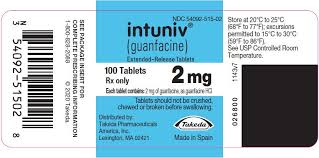
During long-term use, individualized adjustment of drug dosage is crucial. Doctors usually adjust the dose in a timely manner based on the patient's efficacy and adverse reactions to ensure that good efficacy can be maintained while minimizing the risk of side effects. For some well-tolerated patients, a low-dose maintenance regimen may be both safe and effective, while for some patients who require higher doses to control symptoms, efficacy and safety need to be weighed.
For patients who have been taking guanfacine for more than three years, whether to continue using guanfacine should follow the comprehensive evaluation principle of "efficacy-safety-quality of life". If the effect is sustained and the side effects are controllable, the doctor may recommend continuing to take the medication and monitor important indicators with regular follow-up visits. If obvious adverse reactions or weakening of efficacy occur, gradual dose reduction or discontinuation should be considered, and other alternative treatment options should be evaluated. Patients should maintain close communication with their doctors during this process and report any discomfort in a timely manner.
In short, guanfacine has stable efficacy but also has potential risks in long-term use. Scientific and standardized long-term management strategies include regular monitoring of cardiovascular function, liver and kidney function and psychological status, individualized dosage adjustment, and comprehensive assessment combined with the patient's quality of life. Through continuous follow-up and reasonable adjustments, guanfacine can help long-term patients maintain good symptom control and achieve the best treatment effect while ensuring safety.
Reference materials:https://pubmed.ncbi.nlm.nih.gov/21995785/
[ 免责声明 ] 本页面内容来自公开渠道(如FDA官网、Drugs官网、原研药厂官网等),仅供持有医疗专业资质的人员用于医学药学研究参考,不构成任何治疗建议或药品推荐。所涉药品可能未在中国大陆获批上市,不适用于中国境内销售和使用。如需治疗,请咨询正规医疗机构。本站不提供药品销售或代购服务。


