
.jpeg)
Tenapano (Ventile) tablets efficacy, functions and indications
Tenapanor (tenapanor) is a new oral small molecule drug whose main target is the intestinal sodium/ hydrogen exchange channel (NHE3). By inhibiting the absorption of sodium ions in the intestine, tenapano can effectively increase the excretion of sodium salt and water in the intestine, thereby playing an important role in body fluid management and blood pressure control. This mechanism of action is different from traditional diuretics in that it acts through intestinal regulation rather than directly on the kidneys, allowing the drug to exhibit unique safety and tolerability in patients with chronic kidney disease. Research shows that tenapano can not only improve the sodium load in the body, but also regulate intestinal electrolyte balance to a certain extent, and has obvious auxiliary therapeutic value for patients with hypertension and edema.
In terms of indications, tenapano is mainly used for clinical conditions in patients with chronic kidney disease accompanied by hyperphosphatemia and sodium retention. The drug reduces sodium absorption by inhibiting the intestinal NHE3 channel, and at the same time has a certain regulatory effect on the absorption of phosphorus in the body, thereby improving symptoms related to edema, elevated blood pressure and sodium retention. In some patients, especially those who are intolerant to diuretics or have limited renal function, tenapano offers a non-diuretic alternative to fluid management. Clinical studies have shown that after using tenapano, patients' blood pressure and body fluid indicators have been significantly improved, and their renal function has remained stable, showing good treatment prospects.
Tenapanor tablets are an oral formulation that can be easily administered by patients in a home environment over a long period of time. Clinically, it is recommended to make individualized dose adjustments based on the patient's weight, renal function and specific symptoms, usually starting with a low dose and gradually adjusting to a maintenance dose. Dose dependence shows that a reasonable drug dose can not only ensure efficacy but also control adverse reactions within an acceptable range. Common adverse reactions include mild diarrhea, gastrointestinal discomfort or mild nausea. Most patients' symptoms can be relieved or disappeared after continued medication, and the incidence of serious adverse reactions is low.
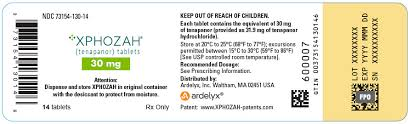
Tenapano also shows good auxiliary effects in blood pressure control. When used in combination with traditional antihypertensive medications or diuretics, tenapanor can synergistically lower blood pressure and reduce the risk of edema. The combined drug strategy can reduce the dosage and potential adverse reactions of a single drug while ensuring efficacy, and provides an effective solution for long-term blood pressure management and comprehensive treatment of patients with chronic kidney disease. In addition, tenapanor's unique route of action avoids direct effects on glomerular filtration rate, giving it certain advantages in patients with impaired renal function.
In clinical application, tenapanor not only focuses on efficacy, but also emphasizes safety and tolerability. Studies have shown that long-term use of the drug is relatively safe and is less likely to cause serious electrolyte imbalances. Doctors usually monitor the patient's blood pressure, electrolytes and renal function changes during use to ensure that the treatment process is safe and controllable. At the same time, patients should pay attention to their own symptoms, adjust the dosage or consult a doctor in time when encountering diarrhea or indigestion to reduce potential risks.
Overall, tenapano tablets have shown significant clinical application value in patients with chronic kidney disease and hyperphosphatemia. It works by targeting the gutNHE3Channel, improves sodium and water balance, providing new options in blood pressure control and edema management. The drug is well tolerated and can be used in combination with other drugs to achieve comprehensive management goals. With the deepening of clinical research, tenapano is expected to become an important tool for fluid management and auxiliary treatment of hypertension in patients with chronic kidney disease, providing patients with a safe, effective and long-term management treatment plan.
Reference materials:https://pubmed.ncbi.nlm.nih.gov/29563740/
[ 免责声明 ] 本页面内容来自公开渠道(如FDA官网、Drugs官网、原研药厂官网等),仅供持有医疗专业资质的人员用于医学药学研究参考,不构成任何治疗建议或药品推荐。所涉药品可能未在中国大陆获批上市,不适用于中国境内销售和使用。如需治疗,请咨询正规医疗机构。本站不提供药品销售或代购服务。


