
.jpeg)
Comparison of the efficacy of crizotinib (Xalkori) and entrectinib and reference for selection
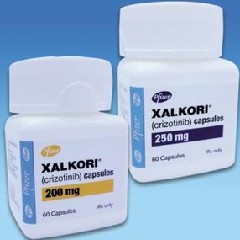
Crizotinib (Crizotinib) and entrectinib are both targeted drugs used to treat ALK-positive non-small cell lung cancer (NSCLC). However, there are obvious differences between the two in terms of molecular structure, target selectivity, clinical efficacy and resistance mechanism. These differences provide important reference for clinical drug selection. Crizotinib, as the first-generation ALK inhibitor, has been developed since 2007 and was approved for marketing in 2011. It mainly inhibits ALK, ROS1 and MET and other tyrosine kinase activities block downstream signaling pathways, thereby inhibiting the proliferation and survival of tumor cells. Crizotinib has shown higher objective response rate (ORR) and progression-free survival (PFS) in patients with ALKpositive advanced NSCLC , especially in untreated patients. Among the patient population, the ORR can reach more than 60%, and the PFS is about 8 to 10 months.
Ensartinib (Ensartinib) is a second-generation ALK inhibitor. It was originally designed to be optimized for patients with crizotinib-resistant mutations and central nervous system (CNS) metastasis. Entrectinib has been shown to have higher inhibitory activity against most known ALK mutations in vitro and has a greater ability to cross the blood-brain barrier, which clinically means better efficacy in patients with brain metastases. Clinical trials have shown that entrectinib can achieve ORR in the first-line treatment of ALKpositive NSCLC pan>About 70%, PFS can be extended to about 25 months, and the response rate is also maintained high in patients with brain metastases. This gives entrectinib a clear advantage in controlling central nervous system lesions, while crizotinib has limited blood-brain barrier penetration and is prone to relapse in patients with brain metastases.
In terms of resistance mechanism, ALK mutations or activation of bypass signals often occur during crizotinib treatment, leading to resistance, including L1196M, G1269A and other point mutations. Such drug resistance issues have prompted clinicians to consider the use of second- or third-generation ALK inhibitors, such as entrectinib or lorlatinib, after failure of crizotinib treatment. In contrast, entrectinib remains sensitive to some crizotinib-resistant mutations, but there is still a risk of resistance. Therefore, regular imaging follow-up and genetic mutation detection when necessary are crucial to adjust subsequent treatment options.
In terms of clinical drug selection, if the patient is diagnosed for the first timeALKpositiveNSCLC and has a higher risk of brain metastasis, or wants to extend PFS To reduce the risk of recurrence of brain metastases, entrectinib is generally considered to be a higher priority; while crizotinib is still suitable for patients with limited economic conditions and no immediate need for brain metastases, and can be used as a first-line treatment option. If resistance occurs during treatment, it can be adjusted to a second- or third-generation ALK inhibitor. In general, crizotinib and entrectinib have their own advantages in terms of efficacy and tolerability. The patient's specific condition, brain metastasis, drug resistance risk and economic factors must be taken into consideration when selecting to ensure that individualized treatment strategies can maximize patient benefits.
Reference materials:https://go.drugbank.com/drugs/DB08865
[ 免责声明 ] 本页面内容来自公开渠道(如FDA官网、Drugs官网、原研药厂官网等),仅供持有医疗专业资质的人员用于医学药学研究参考,不构成任何治疗建议或药品推荐。所涉药品可能未在中国大陆获批上市,不适用于中国境内销售和使用。如需治疗,请咨询正规医疗机构。本站不提供药品销售或代购服务。


