
.jpeg)
Analysis of the long-term safety and availability of Pitobrutinib/Pitobrutinib (Jepali)
Pitubrutinib (Pitobrutinib) is a new generation of highly selective BTK inhibitor, and its long-term safety profile has been relatively good in existing clinical studies. Due to its reversible binding method and stronger selectivity, it has less impact on targets other than BTK, thus reducing the common adverse reactions of arrhythmia, bleeding risk and immunosuppression of traditional BTK inhibitors. Most patients mainly experience mild to moderate adverse reactions during long-term use, such as fatigue, diarrhea, cough, headache, etc., which usually do not lead to discontinuation of medication. The overall safety profile is considered superior to earlier ibrutinib-like drugs.
In terms of duration of use, Pitobrutinib is a continuous treatment drug, which means it can usually be taken for a long time as long as the patient benefits from it and does not experience intolerable toxicity. Current clinical follow-up data show that some patients can continue to use it for more than one year and maintain stable efficacy. Due to the low incidence of drug resistance, many patients with relapsed or refractory CLL, SLL or MCL can benefit from continued treatment. However, the true upper limit of long-term use still needs to rely on more follow-up data of more than three to five years, and there is currently no clearly defined maximum medication time limit.
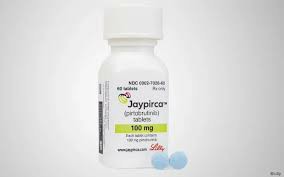
Although the overall safety is high, long-term use still requires attention to a few serious adverse reactions that may occur, such as increased risk of infection, abnormal white blood cell count, mild fluctuations in liver function, etc. Therefore, blood routine, liver and kidney function, and cardiovascular status should be monitored regularly during medication, and new discomforts should be reported to the doctor in a timely manner. If persistent unrelieved diarrhea, significant fatigue, or signs of infection occur, a physician should evaluate the need for dose adjustment or brief discontinuation.
In general, the long-term use safety of pitubrutinib is relatively reliable, and its reversible inhibition mechanism makes it more suitable for patients with hematological tumors who require long-term treatment. Although there is currently a lack of long-term data for more than ten years, published studies have shown that it has achieved a good balance between tolerability, maintenance of efficacy and safety. If patients need to use it for a long time, they should continue to monitor it under the guidance of a doctor to ensure the best treatment benefits without affecting the quality of life.
Reference materials:https://go.drugbank.com/drugs/DB17472
[ 免责声明 ] 本页面内容来自公开渠道(如FDA官网、Drugs官网、原研药厂官网等),仅供持有医疗专业资质的人员用于医学药学研究参考,不构成任何治疗建议或药品推荐。所涉药品可能未在中国大陆获批上市,不适用于中国境内销售和使用。如需治疗,请咨询正规医疗机构。本站不提供药品销售或代购服务。


