
.jpeg)
Safety analysis and risk warning of tilpotide/tilsiparatide (Mufengda) for weight loss
As a weight loss drug that has attracted much attention in recent years, Tirzepatide's mechanism of action mainly comes from the simultaneous activation of two metabolic pathways: GIP and GLP-1. It can not only enhance insulin secretion, suppress appetite, but also improve fat metabolism, so it has a significant clinical weight loss effect. However, even if its efficacy is outstanding, safety is still an important part that patients need to understand. Judging from the existing clinical trials, tilpotide is well tolerated by most people. Common side effects are mostly mild to moderate gastrointestinal discomfort, such as nausea, vomiting, diarrhea, decreased appetite, etc., which usually alleviate after a few weeks of adaptation. If gastrointestinal reactions are evident during the dose adjustment phase, your doctor may recommend slowing down the dose increase to improve tolerance.
In addition to common side effects, the key safety risks of tilpotide include the risk of hypoglycemia, especially when used together with other antidiabetic drugs such as insulin or sulfonylureas. If it is used for simple weight loss and the patient does not have diabetes, the risk of hypoglycemia is generally small, but it is still recommended to measure blood sugar in time when dizziness, sweating, palpitations, etc. occur. In addition, tilpotide may cause a slight increase in heart rate and mild dehydration. Some patients may suffer from insufficient intake due to decreased appetite, resulting in symptoms such as weakness and fatigue. Therefore, they should drink an appropriate amount of water and maintain basic nutritional intake during medication.
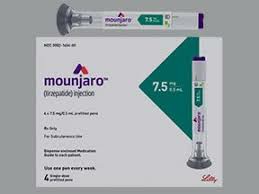
Tilpotide is a peptide drug in terms of structure and action. It may theoretically increase the risk of thyroidC cell proliferation. This has not yet been confirmed in human clinical data, but relevant signals have appeared in animal experiments. Therefore, it is generally not recommended for patients with a family history of medullary thyroid cancer or patients with multiple endocrine neoplasia type 2 (MEN2). In addition, tilpotide may aggravate the risk of pancreatitis, so those with a history of pancreatitis should be cautious; if severe abdominal pain persists during medication, the medication should be discontinued immediately and medical evaluation should be sought.
Generally speaking, tilpotide has a good effect in helping obese or overweight patients lose weight, but it is not suitable for everyone. Before initiating treatment, a doctor should evaluate underlying diseases, medication history, weight, and metabolic status. Liver and kidney function, blood sugar, and gastrointestinal tolerance also need to be regularly monitored during treatment. Tilpotide generally has a manageable safety profile for patients who tolerate it and strictly follow dosage adjustment rules, but risk management should always be a priority to ensure that the weight loss process is effective and safe.
Reference materials:https://www.drugs.com/tirzepatide.html
[ 免责声明 ] 本页面内容来自公开渠道(如FDA官网、Drugs官网、原研药厂官网等),仅供持有医疗专业资质的人员用于医学药学研究参考,不构成任何治疗建议或药品推荐。所涉药品可能未在中国大陆获批上市,不适用于中国境内销售和使用。如需治疗,请咨询正规医疗机构。本站不提供药品销售或代购服务。


