
.jpeg)
FDA approves selumetinib for symptomatic, inoperable adult patients with plexiform neurofibromatosis type 1
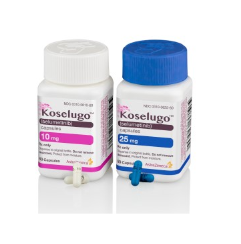
On November 19, 2025, the U.S. Food and Drug Administration (FDA) approved AstraZeneca Pharmaceutical Co., Ltd.'s selumetinib (trade name: KOSELUGO) for the treatment of adult patients with symptomatic, inoperable plexiform neurofibromatosis type 1 (NF1) (NF1). This approval brings new treatment options to NF1 patients, especially when surgical treatment options are not available.
1. Approval background of selumetinib
Selumetinib is an oral small molecule drug that is a MEK inhibitor. It is designed to exert anti-tumor effects by inhibiting the MEK enzyme in the MAPK signaling pathway. The FDA's approval of selumetinib for the treatment of adult patients with NF1, especially those with symptomatic plexiform neurofibromas that cannot be surgically removed, has important clinical significance. Previously, selumetinib had been approved for use in pediatric patients 1 year old and older.
2. Clinical research and efficacy evaluation
1. KOMET clinical trial
The efficacy of selumetinib in the treatment of adults with NF1 was evaluated in the KOMET (NCT04924608) clinical trial. The trial is a global, randomized, multicenter, double-blind, placebo-controlled study designed to evaluate the efficacy of selumetinib in symptomatic, inoperable plexiform neurofibromas. The patient population for the trial must meet the following criteria:
Age≥18 years old; diagnosed with NF1; suffering from symptomatic, inoperable PN.
InoperablePN refers to plexiform neurofibromas that cannot be completely resected due to their encapsulation of important structures, invasiveness, or rich blood vessels. These tumors often cannot be removed surgically due to their location or shape and can pose serious health risks.
2. Test results
atIn the 145-patient trial, patients were randomly assigned to selumetinib or placebo, which was taken twice daily for 12 cycles. The trial's primary efficacy endpoint was overall response rate (ORR) at the end of cycle 16, confirmed by independent central review, using neurofibromatosis and schwannomatosis criteria for response assessment.
Overall response rate (ORR): The confirmed ORR in the selumetinib group was 20% (95%CI: 11,31), which was significantly higher than the 5% (95%CI: 2,13) in the placebo group. The p value was 0.011, which was statistically significant. Duration of response (DOR): In the selumetinib arm, a duration of response of at least 6 months was observed in 86% of patients, demonstrating a durable effect of the treatment.
3. Safety and adverse reactions of selumetinib
Although selumetinib has shown good results in terms of efficacy, its use is also accompanied by certain side effects.FDA specifically warned of the following safety risks:
1. Left ventricular dysfunction: Selumetinib may cause heart function problems, and the patient's heart health needs to be monitored during treatment.
2. Ocular toxicity: Ocular adverse reactions are one of the risks that need to be paid attention to when using selumetinib. Patients need to check their eye health regularly.
3. Gastrointestinal toxicity: Gastrointestinal symptoms such as nausea, vomiting, and diarrhea are relatively common during treatment.
4. Skin toxicity: including rash, dry skin and other problems.
5. Elevated creatine kinase: It may cause muscle pain or damage, and creatine kinase levels need to be monitored.
6. VitaminElevated levels: Serum vitamin E levels may increase and require regular monitoring.
7. Increased risk of bleeding: Patients using selumetinib may face a higher risk of bleeding.
8. Embryo-Fetotoxicity: Selumetinib is potentially harmful to the fetus, so pregnant or lactating women should avoid its use.
These adverse reactions are consistent with the use of selumetinib in other indications, and the pros and cons need to be weighed clinically based on the patient's specific conditions.
4. Recommended dosage and instructions for use
Based on the patient's body surface area, the recommended dose of selumetinib is: Recommended dose:25 mg/m² orally twice daily until disease progression or unacceptable toxicity.
During treatment, patients should follow their doctor's recommendations for regular checkups, especially monitoring of heart, eye and muscle health.
5. Orphan drug status of selumetinib
Selumetinib was designated as an orphan drug by the FDA due to its treatment of a rare disease neurofibromatosis type 1. Orphan drugs refer to drugs used to treat rare diseases and usually enjoy tax exemptions, market exclusivity and other incentives. Obtaining this status provides strong support for the development and promotion of selumetinib and may promote the approval and use of the drug in other markets.
References: UpdatedNovember 19, 2025, https://www.fda.gov/drugs/resources-information-approved-drugs/fda-approves-selumetinib-adults-neurofibromatosis-type-1-symptomatic-inoperable-plexiform
[ 免责声明 ] 本页面内容来自公开渠道(如FDA官网、Drugs官网、原研药厂官网等),仅供持有医疗专业资质的人员用于医学药学研究参考,不构成任何治疗建议或药品推荐。所涉药品可能未在中国大陆获批上市,不适用于中国境内销售和使用。如需治疗,请咨询正规医疗机构。本站不提供药品销售或代购服务。


