
.jpeg)
How long is the general resistance to Fulvestrant/Fuxitan?
Fulvestrant, one of the drugs of choice for the treatment of hormone receptor-positive breast cancer, has been shown to have significant efficacy in many patients, especially in the early stages of cancer treatment. However, some patients who take fulvestrant for a long time will gradually develop drug resistance, which poses new challenges to the adjustment of treatment plans and the management of patient prognosis.
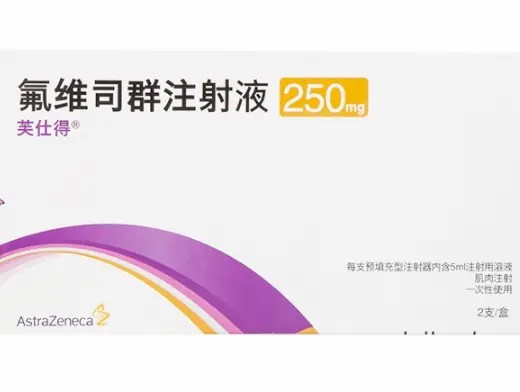
In clinical treatment, the time when drug resistance appears varies among individual patients, but generally, most patients begin to develop drug resistance after 6 to 12 months of fulvestrant treatment. This phenomenon is usually related to the adaptive changes of cancer cells to drugs through various mechanisms. The mechanisms of drug resistance are diverse, including but not limited to mutations in hormone receptors, activation of downstream signaling pathways, and changes in the tumor microenvironment. Mutations in hormone receptors may make tumors less dependent on estrogen, thereby reducing the therapeutic efficacy of fulvestrant. In addition, the enhanced metabolic activity of tumor cells and the activation of the drug pumping mechanism may also lead to insufficient drug concentration in the body, thus gradually weakening the therapeutic effect.
In addition, individual differences among patients, including the function of the immune system, the presence of other underlying diseases, and the combination of medications, may also affect the time when drug resistance appears. For example, the development of drug resistance may be delayed in some patients when combined with other targeted drugs. However, overall, the resistance period to fulvestrant treatment mostly occurs within 12 months.
To deal with this problem, a variety of clinical strategies will be adopted to delay or reverse the occurrence of drug resistance. The most common approach is to use other drugs in combination, such asCDK4/6 inhibitors, PI3K inhibitors or other targeted drugs. These drugs can work together with fulvestrant to inhibit the growth and division of tumor cells and achieve anti-drug resistance.
Reference materials:https://medlineplus.gov/druginfo/meds/a607031.html
[ 免责声明 ] 本页面内容来自公开渠道(如FDA官网、Drugs官网、原研药厂官网等),仅供持有医疗专业资质的人员用于医学药学研究参考,不构成任何治疗建议或药品推荐。所涉药品可能未在中国大陆获批上市,不适用于中国境内销售和使用。如需治疗,请咨询正规医疗机构。本站不提供药品销售或代购服务。


