
.jpeg)
Analysis of usage, dosage and individualized adjustment plan of Crizotinib (Xalkori)
Crizotinib is a targeted drug for ALK and ROS1 positive non-small cell lung cancer. Its standard usage is oral administration, 250 mg twice daily. When taking the medicine, swallow the tablet whole and avoid chewing or crushing. It can be taken with food or on an empty stomach. However, to reduce gastrointestinal discomfort, it is usually recommended to take it with food. Patients should undergo necessary genetic testing before starting treatment to confirm ALK or ROS1 positivity to ensure drug efficacy.
During use, patient tolerance and individual differences may affect dosage selection. For patients with hepatic or renal insufficiency, the dose should be adjusted appropriately according to liver and renal function indicators. For example, patients with mild to moderate hepatic impairment usually require no adjustment, whereas patients with severe hepatic impairment should use caution and may need to reduce the dose or extend the dosing interval. At the same time, when serious adverse reactions occur, such as arrhythmia, pulmonary toxicity, or hematological abnormalities, temporary discontinuation or dose reduction should also be considered.
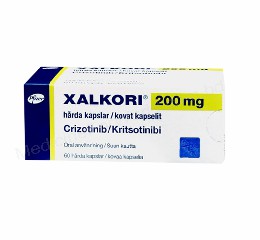
Individualized adjustment is particularly important when using crizotinib in elderly patients or patients with comorbidities. Doctors can develop the most suitable dosage plan based on a comprehensive assessment of the patient's weight, age, cardiopulmonary function, and medication history. In addition, when concomitantly using other drugs that may affect liver metabolism or the QT interval, the impact of drug interactions on blood drug concentrations must also be considered to avoid drug overdose or reduced efficacy.
In general, although there are standard regimens for the usage and dosage of crizotinib, in actual clinical application it needs to be flexibly adjusted based on the individual conditions of the patient. Through genetic testing to guide medication use, regular monitoring of liver, kidney and heart functions, and dose optimization based on adverse reactions, risks can be minimized while ensuring efficacy, and safe and effective individualized treatment can be achieved.
Reference materials:https://go.drugbank.com/drugs/DB08865
[ 免责声明 ] 本页面内容来自公开渠道(如FDA官网、Drugs官网、原研药厂官网等),仅供持有医疗专业资质的人员用于医学药学研究参考,不构成任何治疗建议或药品推荐。所涉药品可能未在中国大陆获批上市,不适用于中国境内销售和使用。如需治疗,请咨询正规医疗机构。本站不提供药品销售或代购服务。


